
Low Voltage Rescue Course (UETDRRF018) in Jindalee, QLD
A Low Voltage Rescue Course in Jindalee gives local tradespeople, apprentices, and businesses the skills to respond when seconds matter, in an industry where electrical work carries real risk. This professional Low Voltage Rescue Course covers UETDRRF018 and walks participants through the legal issues around workplace rescue, the chain of survival, and the DRSABCD of resuscitation, alongside the correct use of an AED (defibrillator).
Every session includes demonstrations and practice on manikins, proper hygiene practices, and choking methods, so participants aren’t just reading through theory but actually building the muscle memory needed in a real emergency. For electricians and apprentices working around switchboards and live panels throughout Jindalee, this kind of hands-on preparation is one of the clearest Low Voltage Rescue Course benefits on offer.
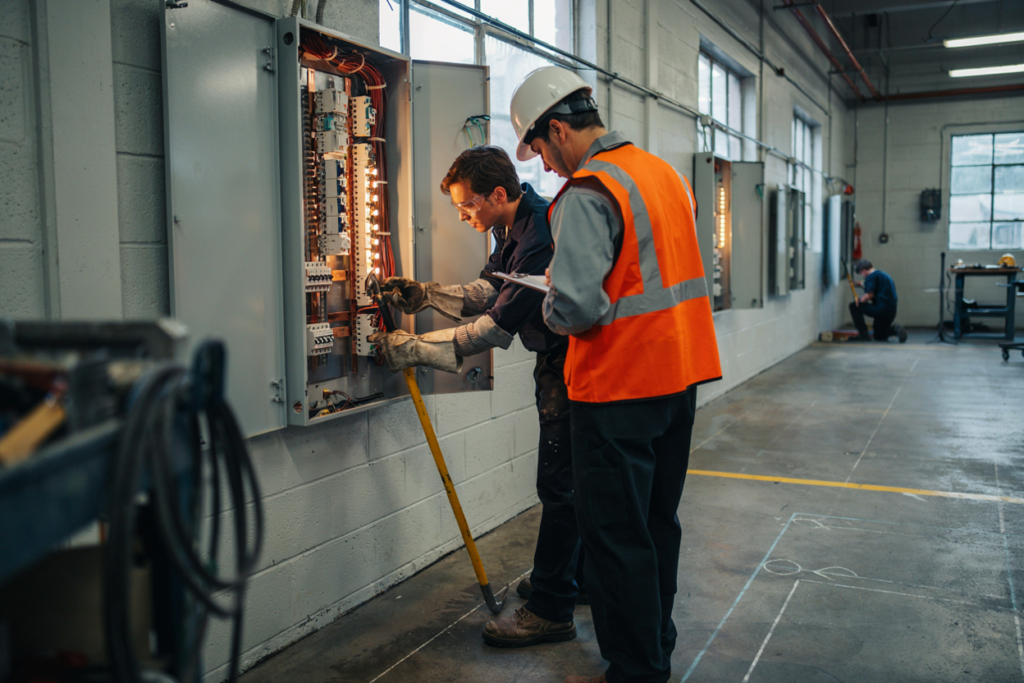
Beyond the resuscitation basics, an expert Low Voltage Rescue Course also covers the practical skills specific to electrical rescue. Participants learn how to carry out risk assessments before approaching a scene, how to check that the LVR rescue kit is in order, and how to identify an appropriate point of isolation before attempting any rescue. The course includes the one man drag method and a full demonstration of a Low Voltage Rescue, along with guidance on management of appropriate injuries once the person is clear of danger.
The course wraps up with both practical and theoretical assessment, giving participants and their employers confidence that the units gained reflect real, tested competency rather than a box-ticking exercise. This structure is what sets the best Low Voltage Rescue Course in Jindalee apart from a course that only covers the paperwork.
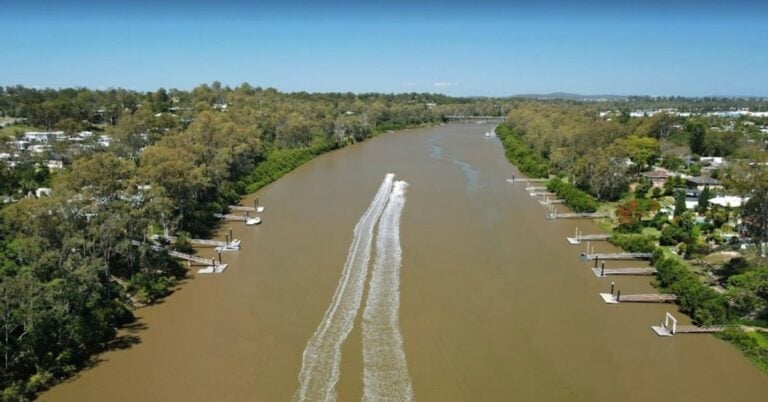
Jindalee itself has a history that ties closely to community resilience, which makes it a fitting place to build these kinds of emergency response skills. The suburb takes its name from an Aboriginal word believed to mean “bare hills,” and it was one of six Centenary suburbs developed on land once owned by the pioneering Sinnamon family.
The nearby Jamboree Heights area gets its name from the 8th Australian Scout Jamboree, held in the district in 1967 and 1968. Jindalee has also weathered its share of natural events, including the major 1974 flood that damaged the Centenary Bridge after a gravel barge collided with it, and the 2011 Brisbane floods that again tested the suburb’s riverside streets. For a community that has faced real emergencies before, a Low Voltage Rescue Course Jindalee residents and workers can access locally is a practical, relevant investment rather than a formality.
The Importance of doing Low Voltage Rescue Course in Jindalee, QLD
A live low voltage panel doesn’t give a warning before something goes wrong, and that’s exactly why the importance of a Low Voltage Rescue Course in Jindalee comes down to more than ticking a compliance box. Electric shock incidents can leave a person unable to move away from the source themselves, and every second spent waiting for outside help increases the risk of lasting harm. For tradespeople working across Jindalee’s mix of residential streets, local shopping centres, and commercial sites near the Centenary Motorway, having at least one team member who knows how to isolate power safely and pull a colleague clear changes the outcome of an incident entirely.

| Situation | Trained Responder On Site | No Trained Responder |
|---|---|---|
| Contact with a live LV panel | Power isolated and casualty safely removed within minutes | Delay while waiting on emergency services to arrive on site |
| Casualty stops breathing | DRSABCD and AED applied immediately | No one on site confident to start resuscitation |
| WHS or insurance audit | Current UETDRRF018 certification on file | Compliance gap, possible loss of site access or cover |
| Team confidence day to day | Staff know their role if something goes wrong | Uncertainty and hesitation in a real emergency |
There’s also a workplace safety and compliance side to this that businesses in Jindalee can’t really afford to overlook. Electrical contractors, maintenance teams, and facilities staff are often required to hold current low voltage rescue certification to meet WHS obligations, satisfy insurance conditions, or maintain access to certain sites and contracts. Letting this training lapse doesn’t just create a safety gap, it can quietly cost a business work if a client or head contractor asks for proof of current competency and the paperwork isn’t there. Keeping the qualification current is a small, manageable task compared to the disruption of losing site access or facing a WHS incident with no trained responder on hand.
Assess the Scene
Check for ongoing danger before approaching
Identify Point of Isolation
Locate the correct switch or source to cut power
Isolate the Power
Confirm the panel is safe before moving in
Perform the Rescue
Use the one man drag method to move the casualty clear
Run Through DRSABCD
Check response and breathing, apply an AED if needed
Manage Injuries and Call for Help
Treat injuries and hand over to emergency services
Beyond the legal and business reasons, there’s a simple human element to why this training matters so much in a suburb like Jindalee. It’s a family-heavy community with a strong trade and apprentice population, and many of the people completing this course go home to their own families every night. Building real confidence around electrical rescue, not just theoretical knowledge but the physical skill of a rescue drag or the calm needed to run through DRSABCD under pressure, gives workers a genuine sense of security on the job. That’s the difference between a course that exists purely for a certificate and one that actually prepares someone for the day they hope never comes.
Legal Issues
Chain of Survival
DRSABCD of Resuscitation
Use of an AED
Manikin Practice
Hygiene
Choking Methods
Risk Assessments
LVR Rescue Kit Checks
Point of Isolation
One Man Drag Method
Practical & Theoretical Assessment
Our Courses
Provide Cardiopulmonary Resuscitation
(CPR Course) HLTAID009
Learn life-saving CPR techniques for adults, children and infants in cardiac emergencies.
Provide First Aid
(First Aid Course) HLTAID011
Comprehensive first aid training covering emergency response, wound care and life support skills.
Provide First Aid in an Education and Care Setting
HLTAID012
Specialized first aid for educators including asthma and anaphylaxis management in children.
Perform Rescue from a Live Low Voltage Panel
UETDRRF018
Advanced emergency care techniques for complex medical situations and severe injuries.
Provide Basic Emergency Life Support
(Basic First Aid) HLTAID010
Essential life support skills for managing casualties until professional medical help arrives.
Advanced First Aid
HLTAID014
Advanced emergency care techniques for complex medical situations and severe injuries.
Anaphylaxis & Asthma Training
22300VIC & 22556VIC
Gain the skills to confidently recognise and respond to asthma attacks and anaphylactic emergencies. This nationally recognised course covers symptom identification, use of inhalers and EpiPens, emergency action plans, and effective workplace response.
Advanced Resuscitation
HLTAID015
Advanced resuscitation techniques including oxygen therapy and complex life support procedures.
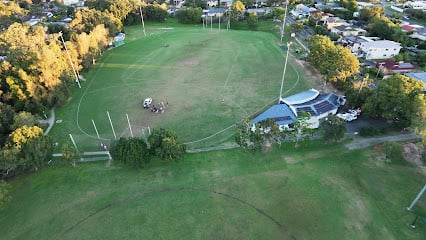
Things To Do In Jindalee
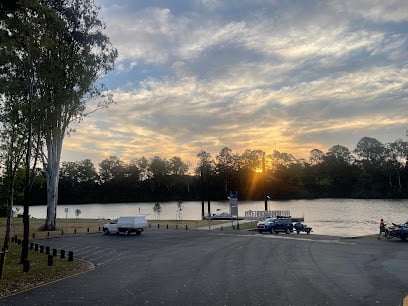
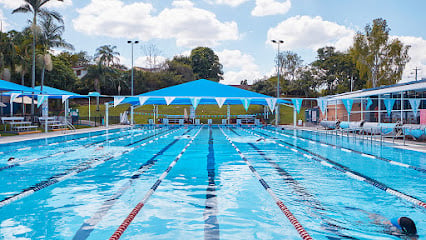
Top Sites In Jindalee
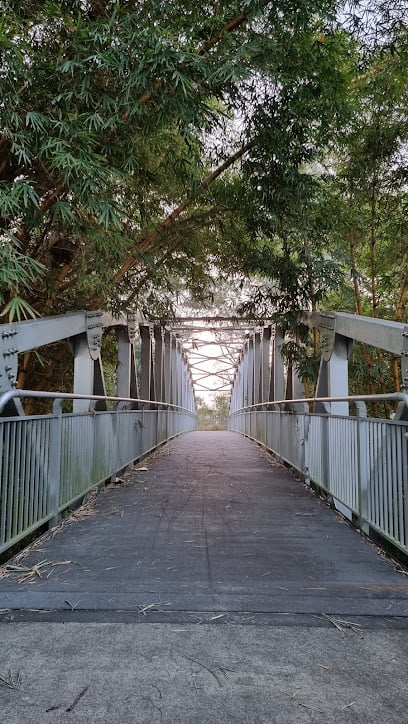
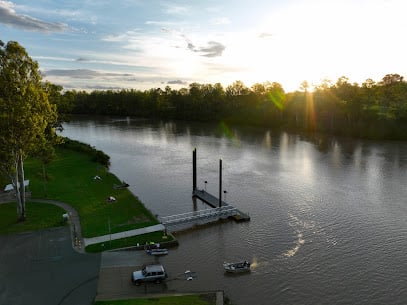
Why Choose First Aid Alive for Low Voltage Rescue Courses in Jindalee
Not every provider runs a Low Voltage Rescue Course the same way. First Aid Alive is a registered training organisation, RTO 31106, so every unit on offer, including UETDRRF018, is delivered to the same national standard whether you’re based in Jindalee or anywhere else in Queensland. For a business deciding where to send staff, that’s a more solid basis for a decision than picking whoever happens to be cheapest.
Class sizes make a bigger difference than most people expect. Sessions are kept small so participants actually get their hands on the rescue kit, the manikins, and the point of isolation drills, instead of standing at the back watching someone else do it. The assessment reflects that too, with a practical component that mirrors what a real low voltage rescue looks like rather than a token multiple-choice quiz tacked on at the end.
Location and timing count for a lot as well, especially for tradespeople and apprentices covering job sites across Jindalee and the wider Centenary suburbs. Running the course close to home cuts out a trip into the city, and having some flexibility around session times means contractors can get their whole crew through training without writing off a full day of work each time.
Ultimately, choosing a provider comes down to whether the certificate reflects real skill or just paperwork. First Aid Alive’s courses are built so participants walk away actually knowing how to identify a point of isolation, carry out the one man drag method, and work through DRSABCD without hesitating. For Jindalee businesses weighing up their options, that’s the difference between a course that ticks a box and one that’s worth the time.
Book Your First Aid Training Now
Fast, affordable, and nationally accredited training delivered by professionals who care
Making first aid training more affordable for
every classroom
We believe every student deserves access to life-saving first aid knowledge. That’s why we offer specially reduced pricing for schools and educational groups. Whether you’re booking for a single class, a year group, or your entire school, our flexible packages make training more accessible and cost-effective — without compromising quality.
