
Low Voltage Rescue Course (UETDRRF018) in Riverhills, QLD
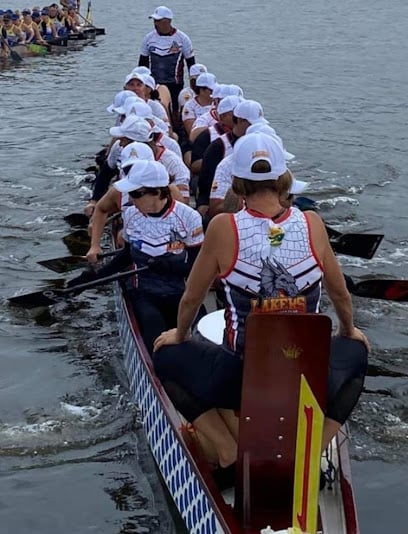
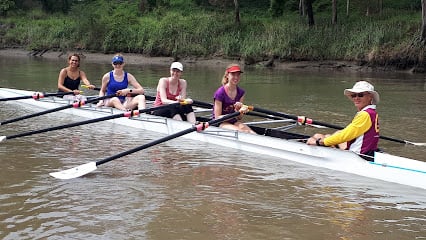
Riverhills is one of Brisbane’s original Centenary Suburbs, developed from 1959 onward as part of the Hooker Corporation’s masterplan to commemorate Queensland’s centenary. Bordered by the Brisbane River and Wolston Creek, the suburb has grown into a close-knit riverside community with Newcomb Park as its social hub, home to the Centenary Rowing Club and Lakers Dragon Boat Club, and a long-running local tradition of river-based recreation.
Since 1993, the Westlake-Riverhills Bushcare Group has led volunteer bushland restoration along the river, reflecting the strong environmental character of the area. With this mix of established trades, tight-knit families, and a growing number of local businesses and maintenance contractors, the demand for a professional Low Voltage Rescue Course in Riverhills has never been more relevant. First Aid Alive delivers an expert Low Voltage Rescue Course tailored to the electricians, apprentices, and facilities workers who keep this community running safely.
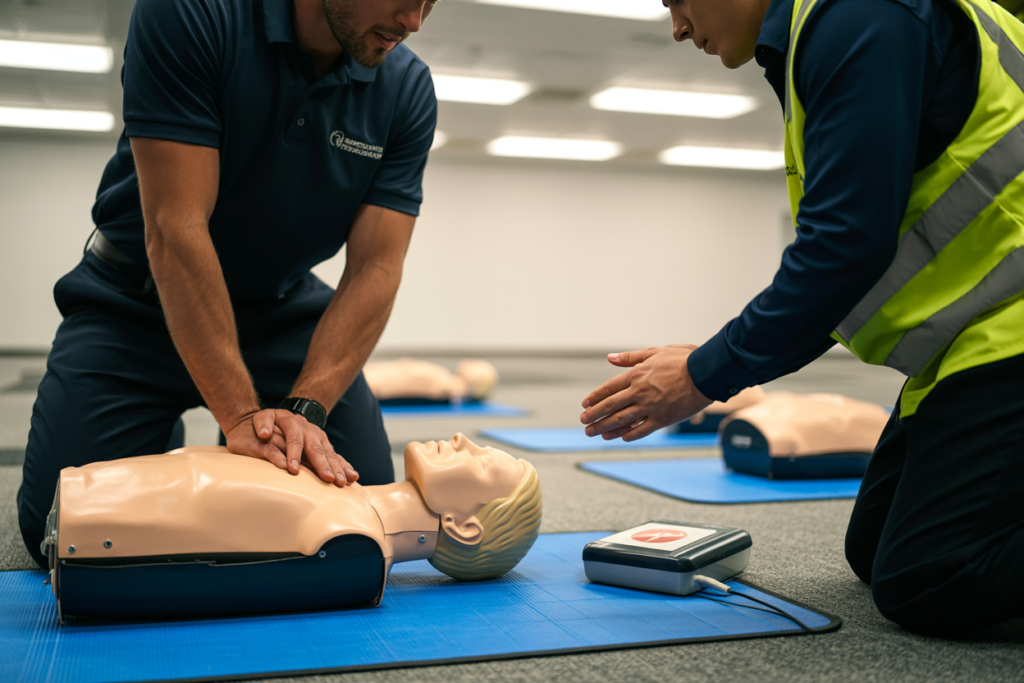
A Low Voltage Rescue Course Riverhills residents can trust needs to go well beyond the basics, and that’s exactly what this course delivers. Participants work through the legal issues surrounding electrical rescue, the Chain of Survival, and the DRSABCD of resuscitation, before moving into hands-on demonstrations and practice on manikins covering CPR, choking methods, and the use of an AED (defibrillator).
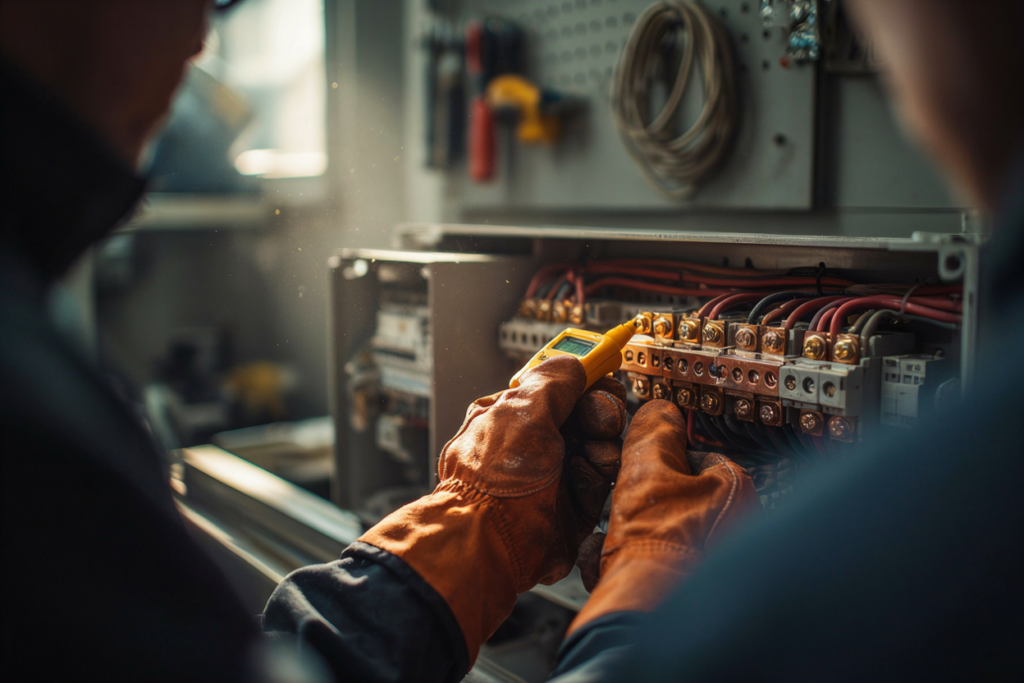
The course also covers risk assessments, hygiene during a rescue scenario, ensuring the LVR rescue kit is in order, and identifying an appropriate point of isolation before any rescue attempt is made. Trainees are guided through a full demonstration of a Low Voltage Rescue, including the one man drag method and management of appropriate injuries sustained during an electric shock incident, so every skill is grounded in realistic, practical application rather than theory alone.
Choosing the best Low Voltage Rescue Course in Riverhills means choosing a provider that understands both the regulatory requirements and the practical realities of the job. First Aid Alive’s course leads directly to the nationally recognised unit UETDRRF018, backed by both practical and theoretical assessment to confirm every participant can perform a safe, confident rescue under pressure.
The benefit of completing a Low Voltage Rescue Course with First Aid Alive is straightforward: Riverhills workers gain a certification that satisfies workplace safety obligations, along with the real-world skills and confidence to respond correctly if a low voltage incident ever occurs on site.
The Importance of doing Low Voltage Rescue Course in Riverhills, QLD
Electrical work doesn’t forgive mistakes, and in a suburb like Riverhills, where tradespeople, maintenance crews, and facilities staff move constantly between residential jobs and commercial sites along the Centenary Highway corridor, that reality carries real weight. Electric shock incidents involving low voltage equipment can happen in seconds, often in situations where the nearest colleague has no formal training in how to respond. This is where the importance of a Low Voltage Rescue Course in Riverhills becomes obvious. It’s not a box-ticking exercise for a certificate wall. It’s the difference between a workplace that can act decisively in an emergency and one that freezes when it matters most.
Untrained Workplace vs. LVR-Trained Workplace
| Scenario | Without LVR Training | With LVR Training |
|---|---|---|
| First response | ❌ Hesitation or panic, wasted critical seconds | ✅ Immediate, controlled isolation and rescue |
| Rescuer safety | ❌ High risk of becoming a second casualty | ✅ Safe point of isolation identified first |
| Casualty outcome | ❌ Delayed CPR reduces survival chance | ✅ CPR and AED use begin within minutes |
| Compliance status | ❌ Fails WHS training obligations | ✅ Meets UETDRRF018 requirements |
| Business exposure | ❌ Insurance and liability risk after an incident | ✅ Demonstrated duty of care on record |
Queensland’s WHS regulations place a clear obligation on employers to ensure workers exposed to low voltage risk are properly trained in electrical rescue and CPR, and Riverhills businesses are no exception. A workplace without current LVR-trained staff isn’t just exposed to injury risk, it’s exposed to compliance risk, insurance complications, and the kind of reputational damage that follows a preventable incident. Investing in accredited electrical rescue training under UETDRRF018 protects workers first, but it also protects the business itself, giving supervisors, apprentices, and site managers the confidence that their team can isolate a hazard, remove a casualty safely, and begin resuscitation without hesitation.
What Happens in the First Minutes After Electric Shock
Isolate the danger
The source of the shock must be identified and safely isolated before anyone approaches the casualty.
Perform the rescue
A trained worker removes the casualty using a safe technique such as the one man drag method.
Begin CPR
Following DRSABCD, CPR starts immediately if the casualty isn't breathing normally. Every minute without CPR lowers survival chances significantly.
AED and handover
An AED is applied if available, and care continues until emergency services arrive and take over.
What makes this training genuinely valuable is how it changes behaviour on site, not just paperwork in a file. Riverhills workers who complete a Low Voltage Rescue Course walk away with muscle memory for identifying a safe point of isolation, performing a controlled rescue, and transitioning straight into CPR and AED use if needed, skills that hold up under the pressure of a real incident rather than a classroom scenario. For a suburb built around tight-knit trades and small local businesses, that kind of preparedness ripples outward. One trained worker on a job site can be the reason a colleague walks away from an electric shock incident instead of becoming a statistic, and that’s the real importance behind every Low Voltage Rescue Course Riverhills workers complete with First Aid Alive.
Our Courses
Provide Cardiopulmonary Resuscitation
(CPR Course) HLTAID009
Learn life-saving CPR techniques for adults, children and infants in cardiac emergencies.
Provide First Aid
(First Aid Course) HLTAID011
Comprehensive first aid training covering emergency response, wound care and life support skills.
Provide First Aid in an Education and Care Setting
HLTAID012
Specialized first aid for educators including asthma and anaphylaxis management in children.
Perform Rescue from a Live Low Voltage Panel
UETDRRF018
Advanced emergency care techniques for complex medical situations and severe injuries.
Provide Basic Emergency Life Support
(Basic First Aid) HLTAID010
Essential life support skills for managing casualties until professional medical help arrives.
Advanced First Aid
HLTAID014
Advanced emergency care techniques for complex medical situations and severe injuries.
Anaphylaxis & Asthma Training
22300VIC & 22556VIC
Gain the skills to confidently recognise and respond to asthma attacks and anaphylactic emergencies. This nationally recognised course covers symptom identification, use of inhalers and EpiPens, emergency action plans, and effective workplace response.
Advanced Resuscitation
HLTAID015
Advanced resuscitation techniques including oxygen therapy and complex life support procedures.
Things To Do In Riverhills
Top Sites In Riverhills
Why Choose First Aid Alive for Low Voltage Rescue Courses in Riverhills
There’s a real difference between a training provider that ticks a box and one that actually prepares people for a bad day on the job, and that gap is exactly why so many Riverhills tradies end up with First Aid Alive. As RTO 31106, the course leads to the nationally recognised UETDRRF018 unit, but the accreditation is really just the starting point. A lot of providers treat electrical rescue as an add-on to a standard first aid course. First Aid Alive builds the whole session around what actually happens when someone’s working near a live low voltage panel, so it feels relevant instead of generic.
The bigger difference shows up in how much actual practice people get. Sitting through slides doesn’t teach anyone to safely drag a casualty clear of danger or find a point of isolation under pressure, so the course leans heavily on repetition with the manikins, working through CPR, AED use, and the rescue technique itself until it becomes second nature rather than something half-remembered from a handout. That’s the part that matters when it counts, and it’s usually the reason Riverhills businesses come back for refreshers instead of trying a different provider each time.
Scheduling is the other thing that tends to make or break the decision for busy trade businesses. Pulling a whole crew off site for a full day isn’t always realistic, so First Aid Alive works around that with flexible session times and group bookings for teams, whether that’s an electrical contractor, a maintenance crew, or a facilities team covering a few different sites around the Centenary suburbs. Fitting training around the job rather than forcing the job to fit the training is a small thing, but it’s often what tips the decision one way or the other.
At the end of the day, it comes down to whether the certificate on the wall actually means something. Every course finishes with a practical and theory assessment before anyone walks away with their UETDRRF018 certification, so there’s no shortcutting the process. For Riverhills businesses comparing their options, that’s the real value proposition: training that’s genuinely hands-on, scheduling that doesn’t get in the way of work, and a qualification employers can actually rely on if something goes wrong on site.
Book Your First Aid Training Now
Fast, affordable, and nationally accredited training delivered by professionals who care
Making first aid training more affordable for
every classroom
We believe every student deserves access to life-saving first aid knowledge. That’s why we offer specially reduced pricing for schools and educational groups. Whether you’re booking for a single class, a year group, or your entire school, our flexible packages make training more accessible and cost-effective — without compromising quality.
