

A kid’s out in the sandpit, digging away, having the time of their life. Thirty seconds later she’s crying, holding her hand, and there’s a wasp buzzing off into the garden bed like nothing happened. Every educator on shift that day has seen this exact scene before, or something close to it. The question that actually matters isn’t whether it’ll happen again. It will. The question is whether the nearest adult knows what to do at that moment, not after they’ve had time to look it up.
Bites and stings are one of the most common incidents in early childhood settings, and honestly, one of the least talked about compared to things like choking or asthma. Most reactions are minor and settle down with basic care. But a small number turns into anaphylaxis, and that can happen in minutes, not hours. That gap between “mild and manageable” and “genuine emergency” is exactly why bites and stings deserve their own dedicated attention, rather than getting lumped in as a footnote inside a broader first aid refresher.
This guide walks through what proper bites and stings first aid training actually covers, how it fits alongside your center’s HLTAID012 and asthma/anaphylaxis compliance, and what to look for when you’re booking it for your team.
What Do You Do for a Bite or Sting First Aid?
1. Stay calm and reassure the child. They're taking their cues from you, so if you panic, they panic.
2. Remove the stinger if you can see it. Scrape it sideways, don't grab it with tweezers, as that can squeeze more venom in.
3. Clean the area with soap and water.
4. Apply a cold compress to bring the swelling down.
5. Monitor for signs of an allergic reaction, as this is the bit people often rush past and shouldn't.
6. Call 000 straight away if there's any sign of anaphylaxis, and use the adrenaline autoinjector if the child has an action plan for it.
That’s the general shape of it. But general guidance in a blog post is not the same as knowing it cold under pressure. Reading a list once and actually performing under pressure, with a distressed child in front of you and other kids watching, are two completely different skills. That’s what proper, accredited bites and stings first aid training is actually for. It’s the difference between recognising the steps and being able to run through them without having to stop and think.
🐝 Quick fact: A sting can be a child's very first known allergic exposure, meaning there's no existing action plan to fall back on.
Why Bites and Stings Are a Bigger Risk in Early Childhood Settings Than Most Centres Realise
The usual suspects on any given centre site
Walk around most outdoor play areas and you’ll find the same cast of characters lurking in the garden beds and sandpits:
- Bees and wasps
- Ants
- Spiders
- Ticks
None of this is exotic. It’s just what happens when you’ve got kids playing outside every day, which is exactly what you want them doing. Outdoor play is good for kids, full stop, and no centre should be trying to eliminate it because of what might be hiding in the mulch. The risk isn’t the outdoor play, it’s being unprepared for what outdoor play sometimes brings with it. A garden bed that’s great for teaching kids about plants and bugs is also, unavoidably, home to the exact insects that cause most of these incidents.
Why kids don’t react the way adults do
This is the part that catches people out. Children have smaller body mass than adults, so the same amount of venom hits them harder. Early symptoms can be subtle and easy to miss if you’re not looking for them. And a lot of the time, a young child simply can’t tell you “my throat feels tight” or “I feel dizzy.” They might just go quiet, or clingy, or a bit off, and that’s the only signal you get. An educator who isn’t specifically trained to watch for those quieter, less obvious cues can easily put it down to tiredness or a bad mood, and lose valuable time.
Here’s the bit that really needs to sink in for centre directors: a sting can be a child’s very first known exposure to that allergen. There’s no history. No management plan sitting in the office filing cabinet with their name on it, because nobody knew to write one. The first time is the first time, for the child and for you. That’s a genuinely different situation to responding to a known allergy where there’s already a plan in place, and it’s why training needs to cover the unknown case, not just the documented one.
Reactions to insect bites and stings, including anaphylaxis, are one of the more common allergic emergencies seen in young children, and centres that treat this as a real risk rather than a rare fluke are the ones best placed to handle it well. It’s easy to assume it won’t happen on your watch, right up until it does, and by then it’s too late to wish you’d trained for it sooner.

What Bites and Stings First Aid Training Actually Covers
Telling a normal reaction apart from one that’s escalating
This is the actual skill at the centre of this whole topic. Redness and a bit of swelling right at the site, that’s normal, that’s the body doing what it’s meant to do. But swelling that starts spreading beyond the site, hives popping up somewhere else on the body, or a child who’s suddenly struggling to breathe, that’s a different situation entirely and it needs a different response, fast. The tricky part isn’t knowing the extreme end, most educators already know severe difficulty breathing is an emergency. It’s the murky middle ground that trips people up, where a child seems fine but something feels slightly off, and knowing when that’s worth acting on rather than watching a bit longer.
The practical, hands-on stuff
Training covers the actual physical skills too, not just theory:
- How to remove a stinger properly (scrape, don't pinch)
- Cold compress technique
- How to monitor a wound properly, not just the first few minutes
None of these steps are complicated on their own. What makes the difference is practising them enough times that they become automatic, so an educator isn’t fumbling with a scraper tool for the first time while a child is upset and other kids are asking questions.
Anaphylaxis recognition and using an adrenaline autoinjector
This is where a lot of the fear lives for educators, and fair enough. Using an EpiPen or Anapen on a child for the first time is not something you want to be figuring out as you go. Good training gets people practicing with trainer devices until the hesitation is gone. There’s a real difference between having read the instructions on the side of the device and having actually held one, felt the click, and gone through the motion enough times that your hands know what to do even if your brain freezes for a second.
One of the most common mistakes seen in training is educators freezing for those crucial extra seconds because they’re worried about “doing it wrong.” With a real anaphylactic reaction, waiting is the wrong choice, using the autoinjector is the right one. There’s no situation where using an autoinjector on a child who genuinely needs it causes more harm than the reaction itself. Good training drills that message in until it overrides the hesitation.
Knowing when to call 000 versus when to monitor and document
Mild reaction | Watch for | Escalating reaction |
Localised redness, swelling, pain at site | Swelling spreading beyond the bite/sting site | Hives or rash spreading across the body |
Mild itching | Child unusually quiet or distressed | Difficulty breathing, swelling of lips/face/throat |
No breathing/swallowing difficulty | Repeated vomiting | Vomiting, dizziness, or collapse, call 000 |
Knowing which column you’re in isn’t always obvious in the first minute or two, which is exactly why the middle column matters as much as the other two. That’s the watch and reassess zone, and it’s where a trained eye makes the biggest difference to how quickly a centre responds.
📋 Quick fact: Holding HLTAID012 doesn't automatically mean a staff member is confident handling a bite or sting emergency specifically.
How Bites and Stings Training Fits Into Your Centre’s Compliance Obligations
Where this sits alongside HLTAID012, asthma and anaphylaxis units
Your centre needs HLTAID012 covered, and separately, the asthma (22300VIC) and anaphylaxis (22556VIC) units. Bites and stings training isn’t there to replace any of that. Think of it as the piece that sits right in the middle, connecting the dots between general first aid and the specific allergic emergency response your anaphylaxis unit trains for. One without the other leaves a gap, and gaps are exactly what an assessor is trained to find. A staff member can hold every required unit on paper and still be underprepared for the specific, fast moving scenario a sting can create if bites and stings hasn’t been covered properly alongside them.
What ACECQA and the National Quality Framework actually require, versus what’s genuine best practice on top
This is worth being straight about. The regulations set the floor, not the ceiling. HLTAID012 is not a generic first aid course, and it’s not interchangeable with whatever certificate an educator picked up somewhere else years ago. It’s a specific, regulator-recognised qualification. Bites and stings training is a companion to that, it deepens the skill in one particular, high-stakes area rather than duplicating what’s already covered elsewhere. Meeting the letter of the regulation gets you through an audit. Genuine readiness is what gets a child through an actual emergency, and those two things aren’t always the same thing, even though they should be.
If you’re still working out the difference between HLTAID012 and general first aid courses, that comparison is worth reading through separately, since it’s one of the most common points of confusion for centre directors managing a whole staff roster’s worth of qualifications.
For the regulatory side, ACECQA‘s guidance and the National Quality Framework regulations are the primary sources worth checking directly, particularly if you’re preparing for an upcoming assessment and rating visit and want to be confident your documentation holds up.
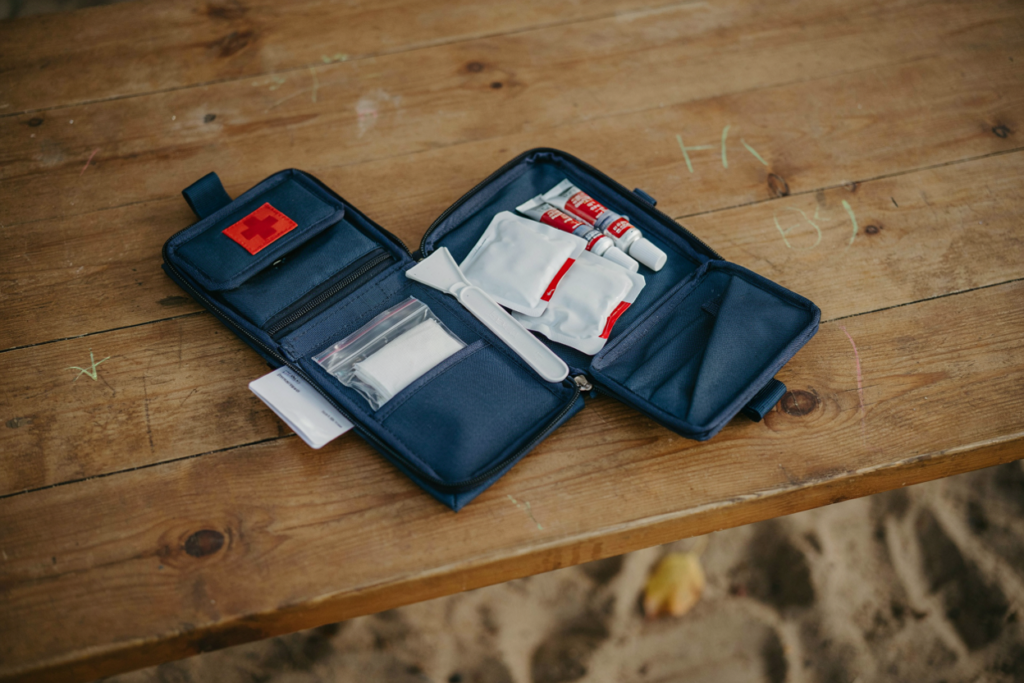
🧊 Quick fact: A first aid kit stored somewhere inconvenient can cost more time than the training itself is meant to save.
Building a Bite and Sting Ready Centre, Beyond the Training Certificate
A certificate on file is a good start. It’s not the whole job. A centre that’s actually ready for a bite or sting incident has a few more things sorted, and most of them cost nothing but a bit of organisation.
First aid kit essentials specific to bites and stings
- Cold packs, kept somewhere staff can actually get to quickly, not buried in a cupboard
- Tweezers or a proper scraper tool for stinger removal
- Antihistamine cream, if that's within your centre's policy
A kit that’s technically compliant but stored somewhere inconvenient might as well not exist in the moment it’s actually needed. It’s worth walking your own outdoor area and timing how long it genuinely takes to grab the kit from wherever it’s kept.
Keeping allergy and action plans current and accessible during outdoor play
An action plan sitting in the office is no use to the educator standing in the garden bed when it happens. These need to be somewhere close to where the outdoor play actually happens, and they need to be genuinely current, not something from long ago that nobody’s checked since. Plans drift out of date quietly, a family updates their child’s allergist advice and the centre’s copy just never catches up, and nobody notices until it matters.
Knowing who does what during an incident
When something happens, you don’t want three educators all reaching for the same job and nobody calling 000. Sort this out ahead of time:
- Who responds directly to the child
- Who calls 000
- Who documents what happened, and when
Getting this sorted before anything happens, not during, is what actually separates a centre that copes well from one that scrambles. A quick run-through with the team, even an informal one, means everyone already knows their role instead of working it out on the spot.
Get Your Team Ready
Bites and stings don’t get talked about the way choking or asthma does at staff meetings, but they happen more often than most people stop to think about. Most of the time it’s minor, a bit of crying, a cold compress, back to playing not long after. That’s the story nine times out of ten. It’s the tenth time that centres need to be ready for, and that readiness doesn’t show up by accident.
The gap between “minor and manageable” and “anaphylaxis in minutes” is smaller than a lot of educators realise, especially with a child who’s never reacted to a sting before. There’s no history to warn you, no action plan already sitting in the file. The first exposure is the test, and the adult standing there in that moment either knows what to do or doesn’t. That’s really what this whole guide comes down to.
Certificates matter, they satisfy the paperwork and they satisfy the regulator. But the centres that actually handle these moments well aren’t just the ones with the file up to date, they’re the ones where the training is stuck, where reaching for the autoinjector isn’t something anyone has to think twice about under pressure. There’s a genuine difference between a team that’s technically compliant and a team that’s actually ready, and the only way to close that gap is training that treats this as a serious, standalone skill rather than a side note.
None of this needs to be complicated. A stocked kit, current action plans within reach of outdoor play, and staff who know their roles before anything happens, that’s most of the battle already won. The rest comes down to training that treats bites and stings as the genuine risk they are, not an afterthought bolted onto a broader first aid course.
Every child deserves an adult nearby who knows exactly what to do, not one who’s hoping they remember it right. Getting the whole team properly trained in this is one of those things that feels small on an ordinary day and turns out to be the thing that mattered most on the one day it counted.
We run bites and stings first aid training built specifically for childcare centres, covering exactly what’s in this guide, hands on and practical, not just theory in a workbook.
Book Your First Aid Training Now
Fast, affordable, and nationally accredited training delivered by professionals who care
Frequently Asked Questions
Q.Can a bee sting cause anaphylaxis in a child who's never reacted before?
Yes, and it's more common than most people expect. A first sting can also be a child's first known exposure to that allergen, which means there's no history or action plan to warn staff in advance, making it genuinely unpredictable compared to a known allergy.
Q.What's the difference between HLTAID012 and bites and stings first aid training?
HLTAID012 covers general first aid for education and care settings, while bites and stings training goes deeper into one specific, high-stakes area, recognizing escalating reactions and using an adrenaline autoinjector confidently. They're meant to work together, not replace each other.
Q.How do you remove a stinger correctly?
Scrape it sideways using a fingernail or a flat-edged tool rather than pinching it with tweezers, since squeezing the stinger can push more venom into the skin. Clean the area with soap and water afterwards and apply a cold compress to help with swelling.
Q.When should you call 000 instead of just monitoring a reaction?
Call 000 straight away if there's any difficulty breathing, swelling of the lips, face, or throat, hives spreading across the body, or vomiting and dizziness. If the reaction stays localized to the bite or sting site with no wider symptoms, monitoring and documenting is usually appropriate.
Q.Do centres need bites and stings training separately from anaphylaxis training?
It's worth treating as its own focus area rather than assuming anaphylaxis training alone covers it. Anaphylaxis units train the escalation response, while bites and stings training builds the recognition and hands-on skills specific to insect bites and stings themselves, which is where a lot of the early decision-making actually happens.
Making first aid training more affordable for
every classroom
We believe every student deserves access to life-saving first aid knowledge. That’s why we offer specially reduced pricing for schools and educational groups. Whether you’re booking for a single class, a year group, or your entire school, our flexible packages make training more accessible and cost-effective — without compromising quality.
