
Low Voltage Rescue Course (UETDRRF018) in Everton Park, QLD
Everton Park Estate subdivision that pioneer settlers William and Ambrose McDowall once called home, itself named for Everton in Liverpool, England.
Bordered by Kedron Brook to the south and sitting close to the Bunyaville Forest Reserve, the suburb has grown into a busy residential and trade hub of over 10,000 residents, home to landmarks like Everton Park State High School, established back in 1961.
With so many electricians, technicians and utility workers based in and around the area, the demand for a Low Voltage Rescue Course in Everton Park has grown alongside it. First Aid Alive delivers a professional Low Voltage Rescue Course tailored to UETDRRF018, taught by expert trainers and giving local tradespeople a nationally recognised qualification without having to travel into the Brisbane CBD.
Choosing the best Low Voltage Rescue Course in Everton Park means more than ticking a compliance box.
Our Low Voltage Rescue Course benefits go well beyond the certificate, covering the legal issues around electrical safety, the Chain of Survival, DRSABCD of resuscitation, and correct use of an AED (Defibrillator) alongside choking methods and hygiene practices that apply to any emergency response.
Participants complete risk assessments, learn to identify an appropriate point of isolation, and practise the one man drag method before moving into a full demonstration of a Low Voltage Rescue, all backed by hands-on demonstrations and practice on manikins.
The course also covers ensuring the LVR rescue kit is in order and the management of appropriate injuries following a shock incident, before finishing with a combined practical and theoretical assessment.
It’s this depth of coverage that makes First Aid Alive the trusted choice for a Low Voltage Rescue Course Everton Park workers can rely on when a genuine electrical emergency happens on the job.
The Importance of Doing Low Voltage Rescue Course in Everton Park, QLD
Electrical work carries risks that most other trades simply don’t face, and Everton Park’s mix of ageing housing stock and newer developments means local tradespeople are constantly working around switchboards, meter boxes and low voltage wiring in conditions that vary from job to job. The importance of a Low Voltage Rescue Course in Everton Park comes down to one simple fact: when an electric shock happens, the person nearby is usually the only line of defence before emergency services arrive. Without proper training, well-meaning bystanders can make a dangerous situation worse, whether through incorrect isolation, direct contact with a live casualty, or delayed CPR. UETDRRF018 exists to close that gap, turning tradespeople and support staff into confident first responders rather than helpless witnesses.
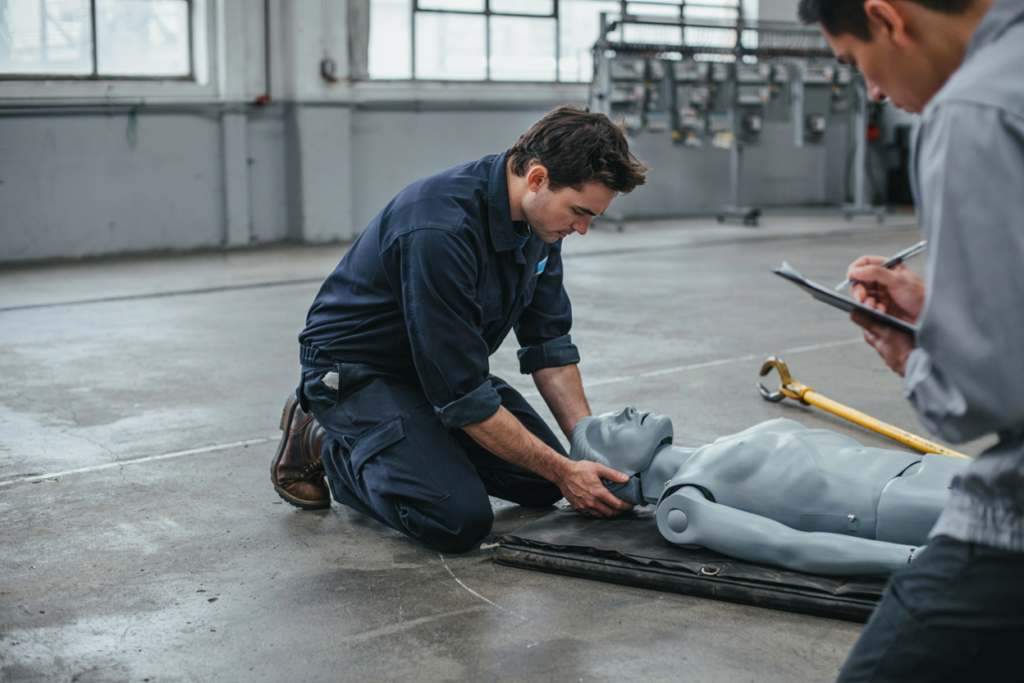
| ✓ | Legal issues around electrical incidents and rescuer duty of care |
| ✓ | Risk assessment before approaching a casualty |
| ✓ | Identifying an appropriate point of isolation |
| ✓ | One man drag method and safe casualty removal |
| ✓ | Chain of Survival and DRSABCD of resuscitation |
| ✓ | Practical and theoretical assessment against UETDRRF018 |
Workplace safety regulations across Queensland increasingly expect electrical and utility workers to hold current low voltage rescue competency, and for good reason. Electrical incidents rarely give a warning, and outcomes often come down to how quickly and correctly the first response happens. A properly delivered course builds real muscle memory around identifying the point of isolation, executing a safe rescue, and managing injuries until paramedics take over, rather than just handing out a certificate for compliance purposes. That’s the difference between a course that ticks a box and one that actually prepares someone for the worst day of their working life.
Everton Park’s growing base of electricians, air conditioning technicians, telecommunications workers and facilities staff makes local access to this training more relevant than ever. Rather than sending crews across town for a generic safety session, businesses in the area can now source accredited, nationally recognised low voltage rescue training close to home, taught by trainers who understand the practical realities of the trades working here. For employers, that means less downtime and easier scheduling. For workers, it means walking onto a job site knowing they, and the people around them, are genuinely covered if something goes wrong.
Our Courses
Provide Cardiopulmonary Resuscitation
(CPR Course) HLTAID009
Learn life-saving CPR techniques for adults, children and infants in cardiac emergencies.
Provide First Aid
(First Aid Course) HLTAID011
Comprehensive first aid training covering emergency response, wound care and life support skills.
Provide First Aid in an Education and Care Setting
HLTAID012
Specialized first aid for educators including asthma and anaphylaxis management in children.
Perform Rescue from a Live Low Voltage Panel
UETDRRF018
Advanced emergency care techniques for complex medical situations and severe injuries.
Provide Basic Emergency Life Support
(Basic First Aid) HLTAID010
Essential life support skills for managing casualties until professional medical help arrives.
Advanced First Aid
HLTAID014
Advanced emergency care techniques for complex medical situations and severe injuries.
Anaphylaxis & Asthma Training
22300VIC & 22556VIC
Gain the skills to confidently recognise and respond to asthma attacks and anaphylactic emergencies. This nationally recognised course covers symptom identification, use of inhalers and EpiPens, emergency action plans, and effective workplace response.
Advanced Resuscitation
HLTAID015
Advanced resuscitation techniques including oxygen therapy and complex life support procedures.
Things To Do In Everton Park
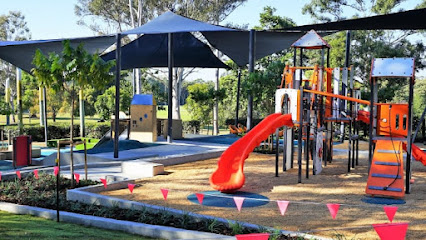



Top Sites In Everton Park
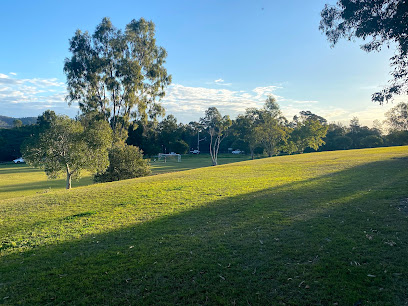

Why Choose First Aid Alive for Low Voltage Rescue Courses in Everton Park
Not every registered training organisation treats the Low Voltage Rescue Course as more than a box-ticking exercise, and that’s where First Aid Alive stands apart. Rather than running a generic safety briefing dressed up as compliance training, the course is built specifically around UETDRRF018, working through the practical realities electricians, technicians and utility workers actually face on the job. Small class sizes mean more hands-on time with the LVR rescue kit, real manikin practice, and proper feedback on technique instead of a seat in a crowded room watching a slideshow. For anyone weighing up providers around Everton Park, that difference is obvious from the first session.
Location plays a part too. Training happens directly in Everton Park and the surrounding suburbs, so there’s no need to travel into the Brisbane CBD or work around someone else’s fixed city timetable. Bookings fit around trade schedules, not office hours, and every participant leaves with a nationally recognised Statement of Attainment accepted across Queensland workplaces. It’s a course shaped for people heading straight back to the tools afterwards, not one built for a desk job.
The course content itself is where the real value sits. Legal responsibilities, risk assessment, identifying the correct point of isolation, the one man drag method and a full demonstration of a low voltage rescue are all covered properly, alongside DRSABCD, the Chain of Survival and correct AED use. Add a genuine practical and theoretical assessment at the end, and what you get is a course that leaves people prepared, not just certified. That combination of local delivery, hands-on depth and real-world relevance is exactly why so many businesses searching for the best Low Voltage Rescue Course in Everton Park stick with First Aid Alive.
Book Your First Aid Training Now
Fast, affordable, and nationally accredited training delivered by professionals who care
Making first aid training more affordable for
every classroom
We believe every student deserves access to life-saving first aid knowledge. That’s why we offer specially reduced pricing for schools and educational groups. Whether you’re booking for a single class, a year group, or your entire school, our flexible packages make training more accessible and cost-effective — without compromising quality.
