
Low Voltage Rescue Course (UETDRRF018) in Spring Hill, QLD
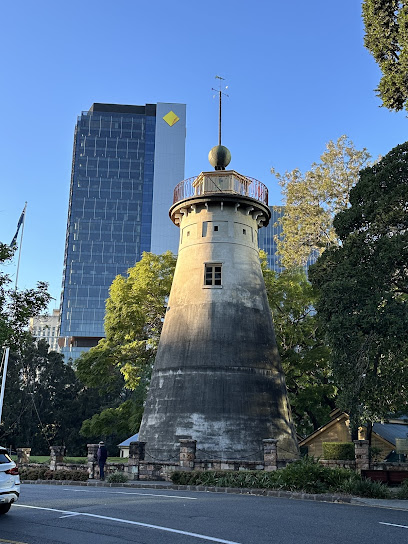
Spring Hill holds the title of Brisbane’s oldest suburb, with streets that trace back to the 1870s and landmarks like the Old Windmill Tower, built in 1828 and still standing as the oldest surviving European structure in Queensland.
The suburb’s mix of heritage buildings along Wickham Terrace, a busy medical precinct, and modern commercial developments means workers here deal with a wide range of electrical systems, from ageing infrastructure in century-old buildings to newly installed low voltage equipment in office towers.
It’s this blend of old and new that makes a Low Voltage Rescue Course in Spring Hill such a practical investment for businesses and individuals working throughout the area.
First Aid Alive delivers a professional Low Voltage Rescue Course Spring Hill locals can rely on, built around the nationally recognised units UETDRRF018 and UETDRRF004, so participants finish with skills that are genuinely workplace-ready rather than just a certificate.
The best Low Voltage Rescue Course in Spring Hill covers far more than the basics of electric shock response.
Our expert Low Voltage Rescue Course takes participants through legal issues around workplace rescue, the Chain of Survival, and the DRSABCD of resuscitation, alongside hands-on use of an AED (Defibrillator) and choking methods.
Trainees complete risk assessments, learn how to identify an appropriate point of isolation, and practise the one man drag method as part of a full demonstration of a Low Voltage Rescue.
The course also covers hygiene, ensuring the LVR rescue kit is in order, and management of appropriate injuries, with demonstrations and practice on manikins throughout.
Every session finishes with a combined practical and theoretical assessment, so participants leave Spring Hill workplaces with real confidence in their ability to respond.
The Low Voltage Rescue Course benefit extends well beyond compliance, giving teams the readiness to act decisively when it matters most.
The Importance of Doing Low Voltage Rescue Course in Spring Hill, QLD
Spring Hill’s dense concentration of medical facilities, office towers, and heritage buildings creates a unique set of electrical hazards that many workers face without realising it. Older properties along streets like Boundary and Leichhardt often carry a patchwork of electrical wiring installed and upgraded over more than a century, while newer developments introduce their own low voltage systems, switchboards, and equipment. This combination raises the risk of electric shock incidents in workplaces that might otherwise seem low-risk, from medical clinics to office buildings and retail spaces. A Low Voltage Rescue Course gives staff the practical skills to respond the moment something goes wrong, rather than losing critical minutes waiting for help to arrive.

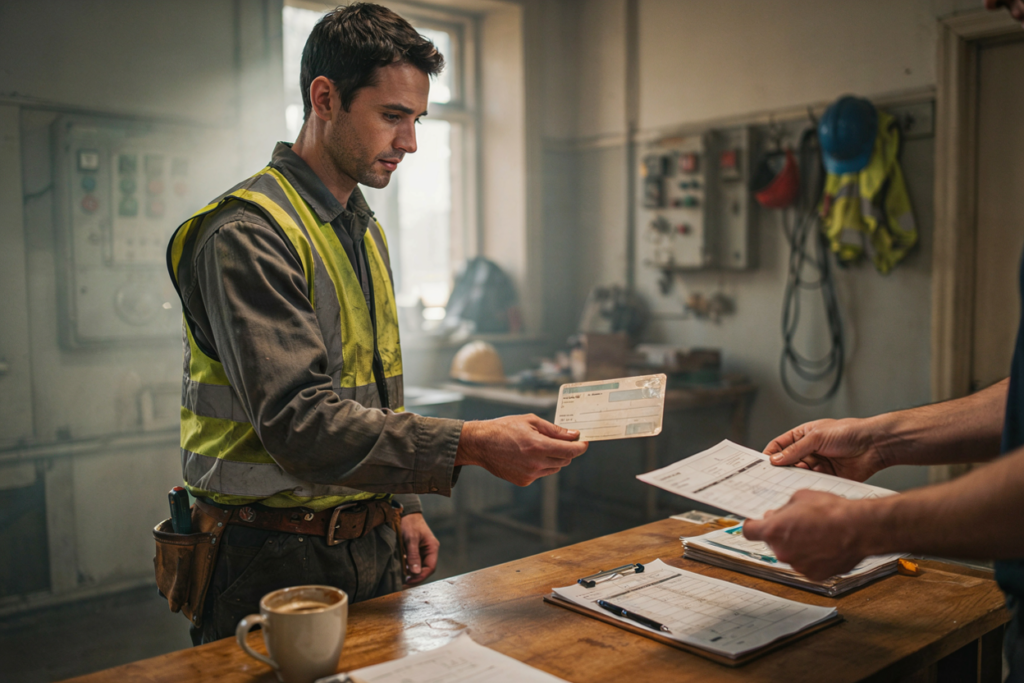

| Requirement | Unit Code | What It Covers |
|---|---|---|
| Low Voltage Rescue | UETDRRF018 | Rescue and resuscitation of a person affected by electric shock |
| CPR (component) | UETDRRF004 | Cardiopulmonary resuscitation in an electrical rescue context |
| Assessment | Practical + Theory | Combined hands-on and written assessment for national recognition |
| Renewal | Annual | Recommended annually to keep skills current and support ongoing WHS compliance |
Electrical incidents are unforgiving when it comes to time. A person who has suffered an electric shock can go into cardiac arrest within seconds, and the actions taken in that first minute often determine the outcome. Workplace electrical safety training that covers isolation procedures, the correct use of an AED, and safe rescue methods gives employees the confidence to act instead of freezing under pressure. This is particularly relevant in Spring Hill, where many workplaces sit close to switchboards, generators, or low voltage plant equipment as part of daily operations. Businesses that invest in electric shock first aid training aren’t just meeting a box-ticking requirement, they’re building a workforce that can genuinely protect their colleagues.
There’s also a compliance side to this that Spring Hill employers can’t afford to overlook. Queensland workplace health and safety obligations require businesses with low voltage risk exposure to have appropriately trained personnel on site, and falling short of this can carry serious consequences after an incident. Completing a nationally recognised Low Voltage Rescue Course, covering units UETDRRF018 and UETDRRF004, satisfies this requirement while giving staff a skill set they’ll carry with them for years. For a suburb built on a mix of century-old buildings and fast-growing commercial precincts, that kind of preparedness isn’t optional, it’s simply part of doing business safely in Spring Hill.
Illustrative breakdown of course modules, not a measure of exact training hours.
Our Courses
Provide Cardiopulmonary Resuscitation
(CPR Course) HLTAID009
Learn life-saving CPR techniques for adults, children and infants in cardiac emergencies.
Provide First Aid
(First Aid Course) HLTAID011
Comprehensive first aid training covering emergency response, wound care and life support skills.
Provide First Aid in an Education and Care Setting
HLTAID012
Specialized first aid for educators including asthma and anaphylaxis management in children.
Perform Rescue from a Live Low Voltage Panel
UETDRRF018
Advanced emergency care techniques for complex medical situations and severe injuries.
Provide Basic Emergency Life Support
(Basic First Aid) HLTAID010
Essential life support skills for managing casualties until professional medical help arrives.
Advanced First Aid
HLTAID014
Advanced emergency care techniques for complex medical situations and severe injuries.
Anaphylaxis & Asthma Training
22300VIC & 22556VIC
Gain the skills to confidently recognise and respond to asthma attacks and anaphylactic emergencies. This nationally recognised course covers symptom identification, use of inhalers and EpiPens, emergency action plans, and effective workplace response.
Advanced Resuscitation
HLTAID015
Advanced resuscitation techniques including oxygen therapy and complex life support procedures.
Things To Do In Spring Hill
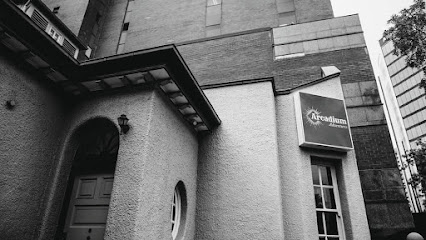
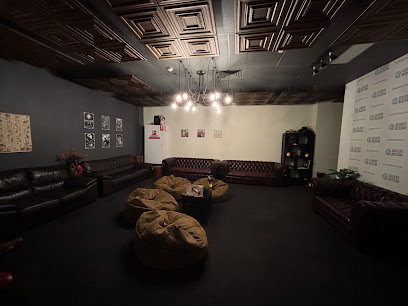
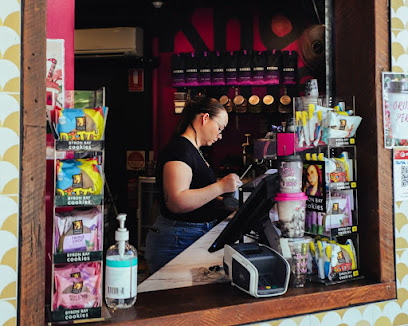
Top Sites In Spring Hill

Why Choose First Aid Alive for Low Voltage Rescue Courses in Spring Hill
A Low Voltage Rescue Course shouldn’t feel like something you sit through just to get the certificate. That’s the difference with First Aid Alive. Spring Hill businesses dealing with switchboards, generators, and low voltage equipment day to day need training that actually sticks, not a rushed session everyone forgets by the following week. The Low Voltage Rescue Course Spring Hill sessions are built around real workplace scenarios, so staff leave knowing how to isolate power safely, manage a casualty, and work through the Chain of Survival without freezing up. That’s what separates a professional Low Voltage Rescue Course from the generic, tick-a-box version so many providers offer.
Small class sizes make a bigger difference than people expect. Cram too many people into a session and individual attention goes out the window, along with the quality of manikin practice, AED demonstrations, and hands-on rescue drills. First Aid Alive keeps groups small so everyone actually gets time to practise the one man drag method, work through risk assessments properly, and run through a full demonstration of a Low Voltage Rescue rather than just watching someone else do it. It’s a big part of why this ends up being the best Low Voltage Rescue Course in Spring Hill, not because of a slogan, but because of what people actually walk away able to do.
Flexibility counts for a lot too, especially compared with providers who only run on their own fixed timetable. Businesses across Spring Hill can organise on-site training that fits around shift patterns and project deadlines instead of pulling staff off-site for a full day. That matters in a suburb like this, where facilities management teams, healthcare support staff, and trades are working across a mix of heritage buildings and modern commercial spaces with low voltage exposure built into the job. Courses run through UETDRRF018 and UETDRRF004 in full, so businesses know their teams meet the nationally recognised standard without the training becoming a scheduling headache.
What happens after the certificate gets handed out matters just as much. Every Low Voltage Rescue Course is built around a genuine practical and theoretical assessment, so the qualification actually means something instead of just reflecting attendance. Legal issues, hygiene protocols, choking methods, and management of appropriate injuries all get proper coverage rather than being squeezed in to fit a shorter timeslot. If you’re weighing up an expert Low Voltage Rescue Course against something cheaper and faster, the real Low Voltage Rescue Course benefit only shows up when the training is actually done right, and that’s the bar First Aid Alive works to every time.
Book Your First Aid Training Now
Fast, affordable, and nationally accredited training delivered by professionals who care
Making first aid training more affordable for
every classroom
We believe every student deserves access to life-saving first aid knowledge. That’s why we offer specially reduced pricing for schools and educational groups. Whether you’re booking for a single class, a year group, or your entire school, our flexible packages make training more accessible and cost-effective — without compromising quality.
