
Low Voltage Rescue Course (UETDRRF018) in Sunnybank, QLD
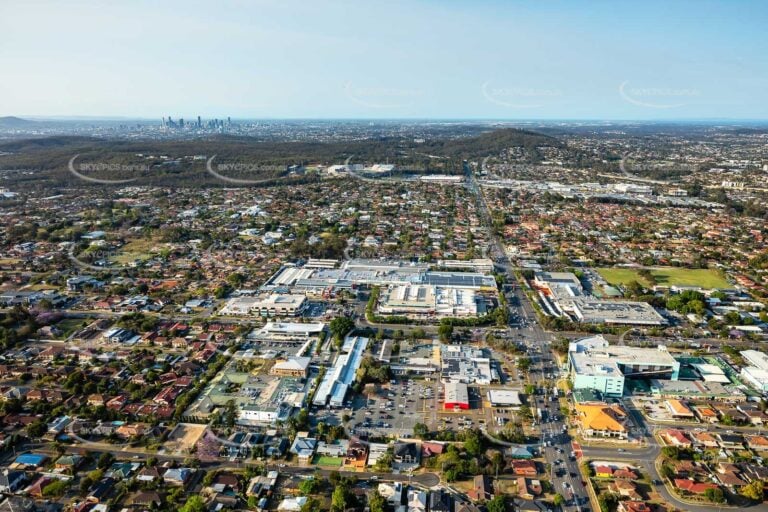
Sunnybank takes its name from Sunnybrae, a nineteenth century farming property owned by the Gillespie family, and the suburb has since developed into one of Brisbane’s most multicultural and fastest growing southside communities. Alongside its well known dining precinct and busy Beenleigh Road corridor, Sunnybank is also home to a growing number of electricians, contractors and facility teams who work on or near live low voltage equipment every week. A Low Voltage Rescue Course in Sunnybank gives those workers the compliance and confidence they need on site, and First Aid Alive runs a professional Low Voltage Rescue Course Sunnybank businesses can book with certainty, built on the nationally recognised UETDRRF018 unit and covering the legal issues tied to the Electrical Safety Act, along with the risk assessments required before any job begins.
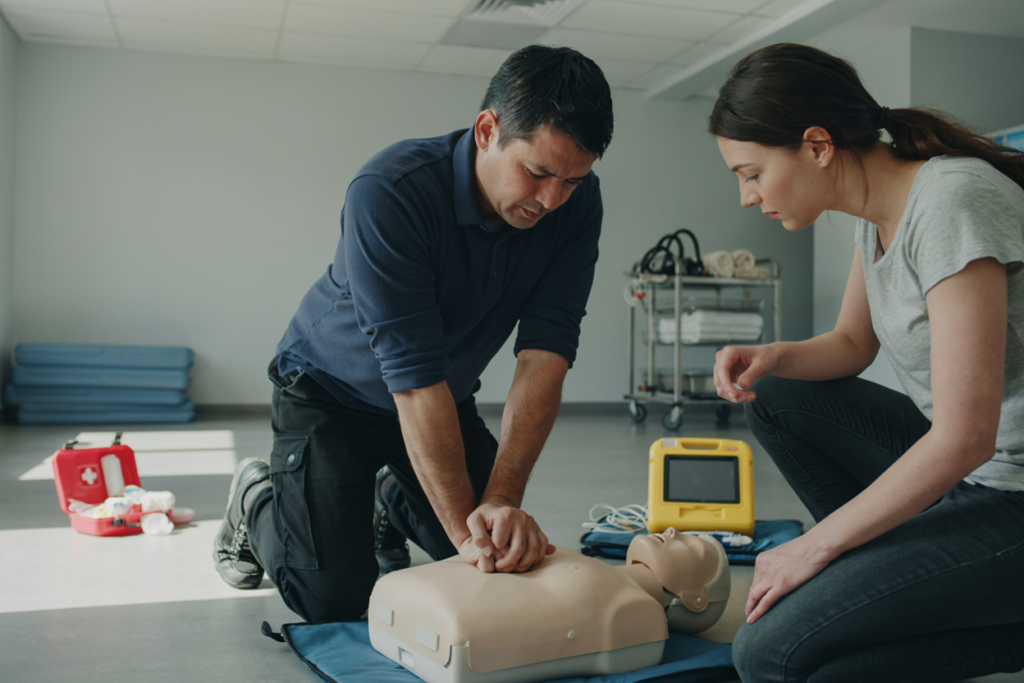
The real Low Voltage Rescue Course benefit lies in how practical the training is from start to finish. Participants are guided through the Chain of Survival and the DRSABCD of resuscitation, get hands on with an AED (Defibrillator), and cover hygiene and choking methods ahead of live demonstrations and practice on manikins. The course then moves into the electrical specific skills that matter most on site, including identifying an appropriate point of isolation, ensuring the LVR rescue kit is in order, the one man drag method, and a full demonstration of a Low Voltage Rescue paired with the management of appropriate injuries. A practical and theoretical assessment rounds out the day, which is why local employers consistently look to First Aid Alive for the best Low Voltage Rescue Course in Sunnybank.
The Importance of Doing an Low Voltage Rescue Course in Sunnybank, QLD
A worker in contact with a live low voltage panel can go into cardiac arrest even after the power has been cut, which is the part of electrical safety training Sunnybank employers tend to underestimate until it actually happens on their own site. This is exactly why the importance of Low Voltage Rescue training goes well beyond ticking a compliance box. It is the difference between a colleague being pulled clear and resuscitated within minutes, or a workplace incident that ends in a fatality because nobody on site knew how to safely isolate the hazard and begin CPR. Sunnybank’s commercial footprint has expanded quickly, with electrical contractors, solar installers and facilities teams now working across everything from Beenleigh Road warehouses to newer developments near the train line, and that growth brings more live low voltage equipment into daily use than the suburb has ever had to manage before.
Low Voltage Rescue Compliance at a Glance
What Sunnybank businesses need to have in place under Queensland law
| Requirement | Detail |
|---|---|
| Governing Legislation | Electrical Safety Act 2002 (Qld) |
| Regulator | Electrical Safety Office Queensland, enforced through WorkSafe Queensland |
| Unit of Competency | UETDRRF018 - Rescue and Resuscitate a Person Following an Electric Shock |
| Who Needs It | Anyone who performs or assists with electrical work, including apprentices and site labourers |
| Where Liability Sits | With the employer, even where the untrained worker is the one involved in the incident |
| First Requested After an Incident | Documented, current training records for everyone on site |
Under the Electrical Safety Act 2002 and the requirements set by the Electrical Safety Office Queensland, workers who perform or assist with electrical work must hold current rescue and resuscitation competency, and this is not a formality that businesses can quietly skip. WorkSafe Queensland treats gaps in electrical rescue certification as a genuine compliance failure, and the liability for an untrained team sits squarely with the employer, not the individual worker. Booking a Low Voltage Rescue Course Sunnybank businesses can trust, delivered by a recognised training organisation and mapped to UETDRRF018, closes that gap properly rather than papering over it. It also protects the business itself, since a documented, up to date training record is often the first thing requested after any electrical incident or site audit.
What a Low Voltage Rescue Response Looks Like
Four steps every trained worker should be able to run through without hesitation
Isolate the Danger
Switch off or remove the power source before approaching. Never touch the casualty while the circuit is still live.
Approach and Assess
Confirm the area is safe, then check the casualty for response and breathing before moving them.
Remove the Casualty
Use the one man drag technique to move the casualty clear of the hazard without putting the rescuer at risk.
CPR and Call for Help
Start CPR immediately if the casualty is not breathing normally, and get someone to call emergency services.
Beyond the legal side, there is a simple practical argument for keeping this training current. Electrical work rarely happens with a paramedic standing nearby, so the person best placed to save a colleague’s life is almost always another tradesperson on the same job. A Sunnybank crew that has actually practised the one man drag, point of isolation procedures and CPR on manikins responds differently to a real emergency than a crew that only read about it once. Regular refreshers keep those instincts sharp, and choosing a local provider means less time away from site and a faster path back to work once the ticket is renewed. For Sunnybank businesses weighing up training providers, that combination of legal compliance, genuine workplace safety and minimal disruption is usually what settles the decision.
Why Sunnybank Businesses Choose Local Rescue Training
Three factors that settle the decision for most site managers
Legal Compliance
Meets Electrical Safety Act 2002 requirements and UETDRRF018, so a WorkSafe audit or incident review does not expose the business.
Genuine Workplace Safety
A crew that has practised isolation, the one man drag and CPR responds faster and more calmly when a real emergency happens.
Minimal Disruption
Training with a local provider means less travel, less time off site, and a faster path back to work once the ticket is renewed.
Our Courses
Provide Cardiopulmonary Resuscitation
(CPR Course) HLTAID009
Learn life-saving CPR techniques for adults, children and infants in cardiac emergencies.
Provide First Aid
(First Aid Course) HLTAID011
Comprehensive first aid training covering emergency response, wound care and life support skills.
Provide First Aid in an Education and Care Setting
HLTAID012
Specialized first aid for educators including asthma and anaphylaxis management in children.
Perform Rescue from a Live Low Voltage Panel
UETDRRF018
Advanced emergency care techniques for complex medical situations and severe injuries.
Provide Basic Emergency Life Support
(Basic First Aid) HLTAID010
Essential life support skills for managing casualties until professional medical help arrives.
Advanced First Aid
HLTAID014
Advanced emergency care techniques for complex medical situations and severe injuries.
Anaphylaxis & Asthma Training
22300VIC & 22556VIC
Gain the skills to confidently recognise and respond to asthma attacks and anaphylactic emergencies. This nationally recognised course covers symptom identification, use of inhalers and EpiPens, emergency action plans, and effective workplace response.
Advanced Resuscitation
HLTAID015
Advanced resuscitation techniques including oxygen therapy and complex life support procedures.
Things To Do In Sunnybank

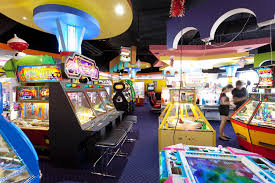
Top Sites In Sunnybank
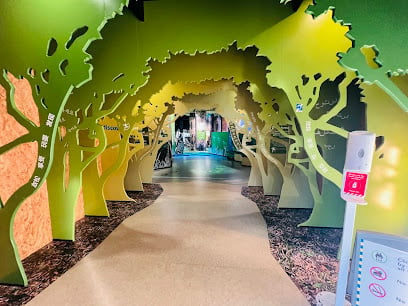
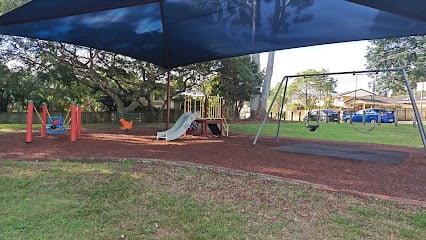
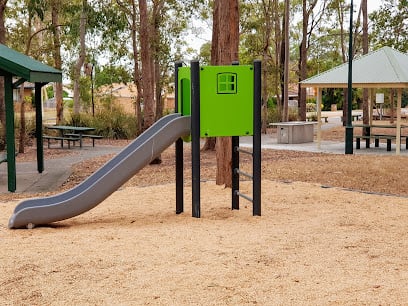
Why Choose First Aid Alive for Asthma and Anaphylaxis Courses in Sunnybank
Plenty of providers will run you through a slideshow, tick the boxes, and send you off with a certificate. That’s not really the point of a Low Voltage Rescue course though, is it? The whole reason you’re doing UETDRRF018 in the first place is so that if something actually goes wrong near a switchboard, the person standing there knows what to do without freezing up. First Aid Alive builds the course around that outcome, not around getting people through the door and out again as fast as possible.
Most Low Voltage Rescue training Brisbane businesses book ends up feeling like an afternoon they had to lose, squeezed into a training calendar somewhere between other jobs. Here, it’s hands-on almost straight away, working with real equipment and rescue scenarios that actually resemble what could happen on a job site, rather than a case study on a screen. Electricians, apprentices and maintenance staff finish the day having done the rescue themselves, under a bit of time pressure, which is a very different thing from just watching someone else demonstrate it once.
Getting the certificate isn’t the hard part, plenty of places can hand you that. Staying properly up to date with UETDRRF018 requirements and the Electrical Safety Act, while still making the day genuinely useful, is where most providers fall short. First Aid Alive keeps things flexible around site availability, makes group bookings for whole crews simple, and doesn’t disappear the second the session ends if someone’s got a follow-up question a few weeks later. That’s usually what brings people back the next time a certification’s about to lapse.
Book Your First Aid Training Now
Fast, affordable, and nationally accredited training delivered by professionals who care
Making first aid training more affordable for
every classroom
We believe every student deserves access to life-saving first aid knowledge. That’s why we offer specially reduced pricing for schools and educational groups. Whether you’re booking for a single class, a year group, or your entire school, our flexible packages make training more accessible and cost-effective — without compromising quality.
