
Low Voltage Rescue Course (UETDRRF018) in Woolloongabba, QLD
Woolloongabba is a busy inner south Brisbane suburb, home to the Gabba stadium, Princess Alexandra Hospital, and a growing mix of apartment towers, commercial buildings, and light industrial sites. The suburb has a long history with electrical infrastructure, dating back to an early Brisbane electricity substation on Logan Road and the tram and trolleybus network that ran through the area until 1969. With so many trades, maintenance crews, and facility staff working around electrical systems every day, a professional Low Voltage Rescue Course in Woolloongabba is essential for anyone whose job puts them near low voltage hazards.
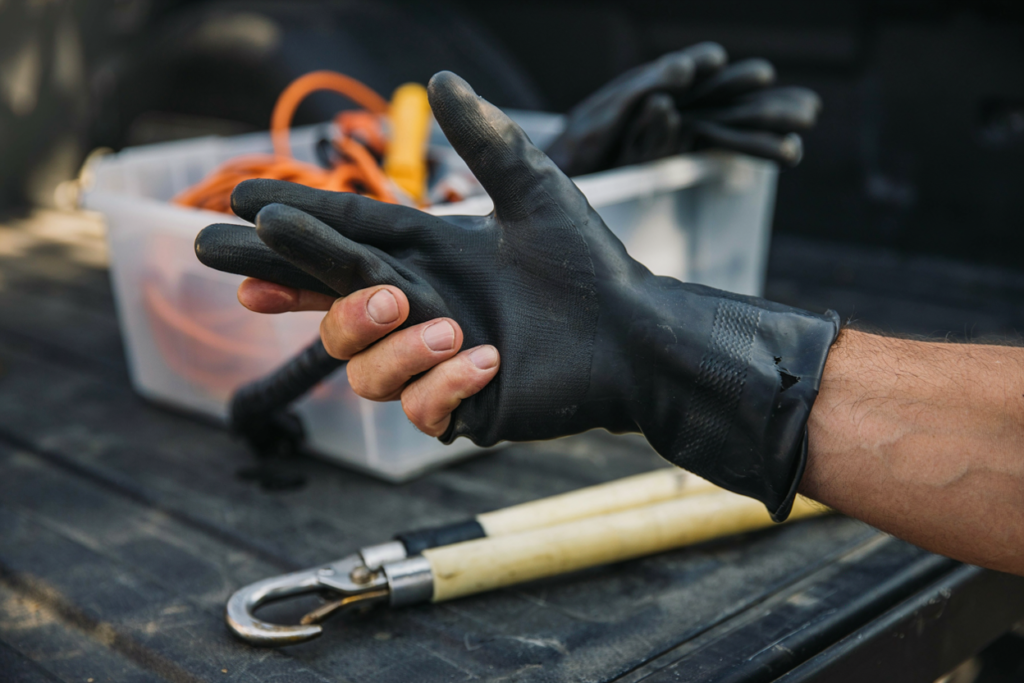
First Aid Alive runs an expert Low Voltage Rescue Course that meets UETDRRF018 requirements in full. Training covers legal issues around electrical rescue, the Chain of Survival, DRSABCD of resuscitation, and correct use of an AED (Defibrillator). Participants get hands-on practice on manikins, covering choking methods, hygiene, and management of appropriate injuries following an electric shock. The course also builds practical, job-ready skills including risk assessments, checking the LVR rescue kit is in order, identifying an appropriate point of isolation, the one man drag method, and a full demonstration of a Low Voltage Rescue. Each participant completes a practical and theoretical assessment before qualifying, making this the best Low Voltage Rescue Course in Woolloongabba for workers who need a nationally recognized, workplace-ready qualification.
The Importance of Doing Low Voltage Rescue Course in Woolloongabba, QLD
Woolloongabba has changed a lot over the past decade, and that growth brings its own set of electrical risks. New apartment developments sit alongside older commercial buildings and light industrial sites, many with ageing wiring that hasn’t kept pace with the suburb’s rapid redevelopment. Add in the steady stream of maintenance and trade work happening across the Gabba precinct and nearby medical facilities, and it’s easy to see why electrical safety training has become such a priority for local businesses. A Low Voltage Rescue Course isn’t just a box-ticking exercise here, it’s a genuine safeguard for the people working in and around these buildings every day.

| Risk Factor | Why It Matters |
|---|---|
| Rapid Redevelopment | New apartment towers sit next to older buildings, mixing modern and ageing electrical systems |
| Mixed Building Ages | Older wiring and switchboards are more prone to faults than newer installations |
| Ongoing Trade Work | High volume of maintenance and construction work increases exposure to live systems |
| Medical Precinct Proximity | Facilities near Princess Alexandra Hospital run critical equipment needing constant upkeep |
Electric shock incidents rarely give any warning, and the difference between a good outcome and a tragic one often comes down to what happens in the first sixty seconds. Workers who haven’t been trained tend to freeze or, worse, put themselves at risk trying to help a colleague. That’s where proper training changes the equation. Knowing how to isolate power safely, recognise the signs of electric shock, and act without hesitation gives workplaces a level of protection that simply can’t be replicated through guesswork or good intentions. For businesses operating around switchboards, plant rooms, or electrical infrastructure in Woolloongabba, this kind of preparedness isn’t optional, it’s part of running a responsible site.
|
1
Recognise
Spot the signs of electric shock and assess the scene
|
2
Isolate
Identify the point of isolation and cut power safely
|
3
Rescue
Move the casualty clear using the correct rescue technique
|
4
Respond
Begin DRSABCD and use an AED if required
|
There’s also a compliance side to this that’s worth taking seriously. Workplace health and safety obligations don’t disappear just because an incident hasn’t happened yet, and having staff who hold current, nationally recognised low voltage rescue training helps businesses meet those obligations properly. It also tends to flow through into a broader safety culture on site, where workers pay closer attention to risk assessments, isolation points, and the general condition of electrical equipment. For any Woolloongabba business with staff working near low voltage hazards, investing in this training is one of the more practical steps toward keeping people safe and staying on the right side of workplace safety requirements.
| Obligation | How Training Helps |
|---|---|
| WHS Duty of Care | Demonstrates proactive risk management around electrical hazards |
| Site Safety Standards | Keeps staff current on isolation procedures and rescue kit checks |
| Emergency Preparedness | Builds a team that can respond immediately rather than waiting on outside help |
Our Courses
Provide Cardiopulmonary Resuscitation
(CPR Course) HLTAID009
Learn life-saving CPR techniques for adults, children and infants in cardiac emergencies.
Provide First Aid
(First Aid Course) HLTAID011
Comprehensive first aid training covering emergency response, wound care and life support skills.
Provide First Aid in an Education and Care Setting
HLTAID012
Specialized first aid for educators including asthma and anaphylaxis management in children.
Perform Rescue from a Live Low Voltage Panel
UETDRRF018
Advanced emergency care techniques for complex medical situations and severe injuries.
Provide Basic Emergency Life Support
(Basic First Aid) HLTAID010
Essential life support skills for managing casualties until professional medical help arrives.
Advanced First Aid
HLTAID014
Advanced emergency care techniques for complex medical situations and severe injuries.
Anaphylaxis & Asthma Training
22300VIC & 22556VIC
Gain the skills to confidently recognise and respond to asthma attacks and anaphylactic emergencies. This nationally recognised course covers symptom identification, use of inhalers and EpiPens, emergency action plans, and effective workplace response.
Advanced Resuscitation
HLTAID015
Advanced resuscitation techniques including oxygen therapy and complex life support procedures.
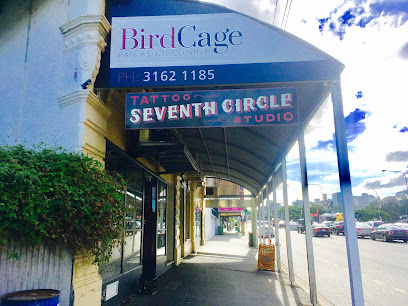
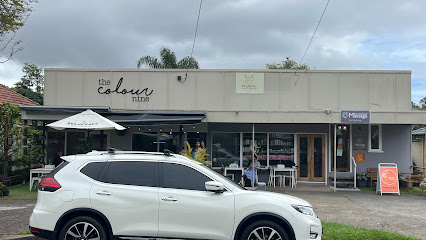
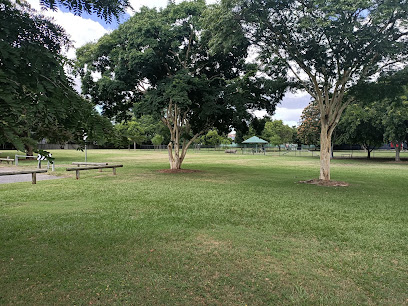
Things To Do In Woolloongabba


Top Sites In Woolloongabba
Why Choose First Aid Alive for Low Voltage Rescue Courses in Woolloongabba
Woolloongabba has no shortage of first aid providers to choose from, but the quality of a Low Voltage Rescue Course varies a lot more than people expect. Some sessions move through the material quickly just to get certificates handed out, and that pace leaves people underprepared when they actually need the skills. First Aid Alive runs things differently, with sessions built around genuine hands-on practice instead of slides and lecture-style delivery. When the training is this practical, that difference shows up the moment someone actually needs to use it.
The course still covers everything required under UETDRRF018, but it’s taught in a way that connects the dots rather than treating each topic as a separate checkbox. The Chain of Survival, DRSABCD, and AED use are practised together so participants understand how they fit into a real electric shock scenario, not just in theory. Risk assessments, isolation points, and the one man drag method get repeated until they feel natural, because a skill only sticks once it’s been practised properly rather than shown once and left there.
Location matters too. Woolloongabba is close enough to the CBD and surrounding suburbs that booking a session doesn’t eat up an entire workday in travel, and group bookings can be scheduled around a business’s own roster instead of forcing everyone into a fixed time slot. For workplaces juggling shift patterns or tight deadlines, that kind of flexibility often ends up being just as useful as the training itself.
Price is worth mentioning as well, since a professional Low Voltage Rescue Course shouldn’t cost so much that businesses put it off. First Aid Alive keeps pricing straightforward and fair, without skipping the practical parts that actually count, like manikin practice, checking the rescue kit, and running through a full demonstration of a Low Voltage Rescue. Businesses after the best Low Voltage Rescue Course in Woolloongabba usually find that paying properly upfront saves a lot more hassle than dealing with undertrained staff down the track.
Ultimately, choosing a provider comes down to consistency. Every participant sits the same practical and theoretical assessment, so businesses always know exactly what their staff have covered. For Woolloongabba workplaces serious about electrical safety, First Aid Alive offers an expert Low Voltage Rescue Course that’s practical, properly assessed, and built to actually work when it matters.
Book Your First Aid Training Now
Fast, affordable, and nationally accredited training delivered by professionals who care
Making first aid training more affordable for
every classroom
We believe every student deserves access to life-saving first aid knowledge. That’s why we offer specially reduced pricing for schools and educational groups. Whether you’re booking for a single class, a year group, or your entire school, our flexible packages make training more accessible and cost-effective — without compromising quality.
