
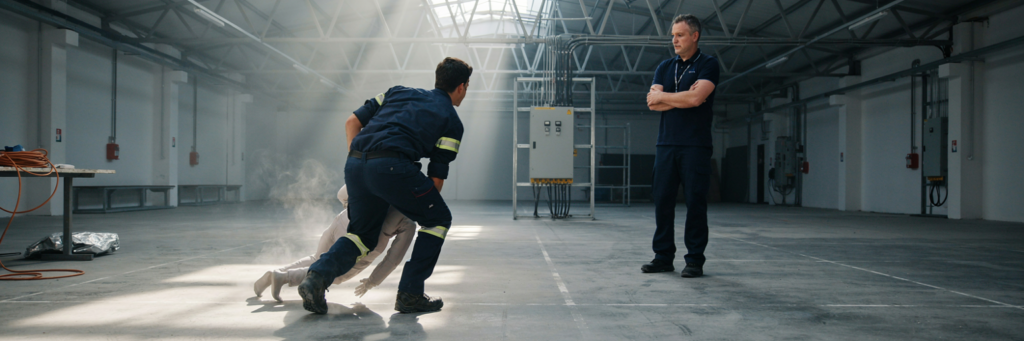
If you’ve been told your live low voltage rescue ticket needs the one man drag method training before you’re back on site, you’re not the only sparkie scrambling to figure out what that actually means. Under the Electrical Safety Act 2002 (Qld), anyone working around live low voltage panels has to be trained to get a mate clear if something goes wrong, and on a lot of sites, that’s a job for one person, not a team. That’s where the one man drag comes in. It’s a core part of Live Low Voltage Panel Rescue training, the ticket most Brisbane electricians run into when a head contractor asks for an LVR ticket. Below we’ll get into what the technique actually is, when you’d use it, how it stacks up against other rescue methods, where it sits inside your course, how it gets assessed on the day, and how to get trained without burning a full shift off the tools.
What is the one man drag method?
The one man drag method is a single rescuer technique for moving an unconscious or injured casualty away from immediate danger, like a live low voltage panel, when there’s nobody else around to help. It gets taught as part of Live Low Voltage Panel Rescue training because electrical incidents don’t wait for a second person to show up. Most of the time you’re the only trained person on site, so this is the technique that’s actually going to get used.
How it works:
- Isolate the danger where you can, or confirm it's safe to approach
- Grasp the casualty under the arms, or by the clothing at the shoulders
- Support the head where possible
- Walk backward, dragging the casualty clear of the danger zone
- Start first aid or call 000 once you're clear
⚡ On the tools: This is the technique your practical assessment is actually built around, not something you'll only ever read about.
What Is the One Man Drag Method? (Full Breakdown)
The Technique Step-by-Step
Here’s the thing about the one man drag, it’s not about how strong you are. You could be built like a brick outhouse and still get the technique wrong, and you could be half the size of the bloke you’re dragging and still get him clear no worries, if you’ve got the positioning right.
Body position starts low, knees bent, not your back. Grip is either under the arms from behind, or a fistful of clothing at the shoulders if under arm access isn’t on offer. Head support matters too, you don’t want to be dragging someone across concrete or gravel with their head bouncing along for the ride. Then you walk backward, steady, controlled, not a mad scramble, until you and the casualty are clear of the panel and out of the danger zone.
Why It’s Called “One Man”: Single Rescuer vs Team Rescue
It’s called “one man” because that’s the reality of most live panel incidents, there’s one bloke there when it happens, not a crew standing around ready to help. Compare that to team techniques like a log roll or a two person carry, which need a second set of hands and a bit of coordination to pull off properly. On a lot of sites, especially early mornings or smaller jobs, you might genuinely be the only person within cooee. That’s exactly why this technique exists, and exactly why it’s the one your course is built around.
Equipment or PPE Considerations
Your PPE is going to affect how this feels in practice. Gloves change your grip, arc rated clothing can be bulkier than what you’re used to, and both of those things matter when you’re trying to get a good hold on someone fast. It’s worth getting a feel for the technique while wearing what you’d actually have on, on site, rather than assuming it’ll translate straight across from a bare hands practice run.
When and Why the One Man Drag Method Is Used
Live Low Voltage Panel Incidents: The Primary Use Case
The scenario this technique is built for is straightforward, someone’s come into contact with, or too close to, a live low voltage panel, and they need to be moved clear before you can do anything else for them. First rule, always, isolate the danger if you can. If you can’t isolate it fast enough, or you’re not sure it’s safe, that’s when the drag comes into play, getting the casualty away from the source without putting yourself in the same position they’re in.
Why You Can’t Always Wait for a Second Rescuer
This is the bit that actually matters for most blokes reading this. You’re not always working in a crew of six with someone standing next to you. A lot of the time you’re the only qualified person on site, maybe the only person full stop, and waiting around for backup isn’t really an option when someone’s in contact with a live panel. This isn’t about fear, it’s just the operational reality of the job, and it’s exactly why the course trains you to handle it solo.
Limitations: When NOT to Use This Technique
The drag method isn’t the right call every time, and it’s worth knowing where the line sits.
- If you suspect a spinal injury, dragging can make things worse, not better, unless the danger is immediate and outweighs that risk
- If the situation is one where waiting for emergency services is genuinely safer than moving the casualty yourself, that's the better call
For more on rescue safety limitations, Safe Work Australia and WorkSafe QLD both publish guidance worth having a look at.
Understanding when this technique applies is one thing, knowing how it differs from other rescue methods is what actually matters when you’re deciding which course to book.
🥊 Not a strength test: Technique beats muscle every time with this one. That's exactly what gets assessed on your course.
One Man Drag Method vs Other Rescue Techniques
One Man Drag vs Two Person Carry
Two people carry needs, well, two people. It can be gentler on the casualty and less physically demanding on each rescuer, but it’s simply not an option if you’re on your own, which is the exact situation this training is built around.
One Man Drag vs Fireman’s Carry / Shoulder Drag
The fireman’s carry involves lifting the casualty up and over your shoulders, which takes a fair bit of strength and isn’t always practical depending on the casualty’s size or the space you’re working in. A shoulder drag is closer to the one man drag, but the grip and positioning differ enough that they’re taught and assessed separately.
Which Technique Your Course Will Actually Assess
Here’s the practical bit, the one man drag is the technique you’ll actually be tested on in the practical component of your course. The others are useful to know about for context, but this is the one that counts on the day.
Technique | When Used | Rescuers Required | Physical Demand |
One Man Drag | Solo rescue, casualty needs to clear danger fast | 1 | Moderate, technique based |
Two Person Carry | When a second rescuer is available | 2 | Lower per person |
Fireman’s Carry | Longer distance, rescuer has capacity | 1 | High |
This is the technique assessed in the practical component of your Live Low Voltage Panel Rescue ticket. If you’re still not sure whether you need this ticket at all, have a look at our full breakdown on what LV panel rescue covers and who needs it.
✅ Compliance, plain and simple: This training is Nationally Recognized, RTO issued, and lines up with the Electrical Safety Act 2002 (Qld). That's what gets you back through the gate.
How It Fits Into Your LVR Course
Where This Technique Sits In Your Training
The one man drag method is a core practical component of Live Low Voltage Panel Rescue training. Your course will walk you through it as part of the full rescue sequence, not as an extra add on, it’s central to what the ticket is actually testing you on.
Electrical Safety Act 2002 (Qld) Requirements
The Electrical Safety Act 2002 (Qld) sets out requirements for anyone working around live low voltage equipment to be trained in rescue procedures, and the one man drag is the technique that satisfies that requirement when you’re working solo.
Will This Satisfy Your Site or Head Contractor’s Induction?
Short answer, yes. This is Nationally Recognised Training, and First Aid Alive is an RTO (31106) issuing a proper Statement of Attainment, not a certificate of attendance. That’s the difference between a piece of paper that looks official and one that actually gets you back through the gate. If your head contractor’s induction system checks for a recognised LV rescue ticket, this covers it.
Once you know which ticket you need, the next question is what actually happens on the day you sit the course.
How the One Man Drag Is Assessed On Your Course
What the Practical Assessment Actually Looks Like
On the day, you’re not just watching a demo and ticking a box. The assessment is scenario based, you’re walked through a live low voltage panel rescue setup and you’ve got to actually perform the drag, start to finish, isolate where needed, get a proper grip, support the head, and clear the casualty from the danger zone. It’s hands on, because that’s the only way to know you can actually do it when it counts.
Get the positioning and grip right and size or strength differences matter a lot less than people expect. Your instructor’s there to help you get the technique dialled in, not to see how strong you are.
With the assessment demystified, the last piece is getting booked in without losing a day off the tools.
Getting Trained in Brisbane, Without Losing a Day
Flexible Sessions Built Around Working Sparkies
Booking around active work is a genuine sticking point for a lot of electricians, and it’s something worth asking about when you’re comparing providers. You shouldn’t have to write off a full paid day just to get this ticket sorted.
What to Bring / How to Prepare
Nothing complicated here. Bring photo ID, wear clothing you can move in, and if you’re doing the practical in your normal PPE, bring that along too so the technique translates properly to what you’ll actually be wearing on site.
Get Your LV Panel Rescue Ticket Sorted
Being locked off site over an expired or missing LVR ticket costs you a day, sometimes more. One man drag method training gets you compliant, without the runaround.
Book your LV Panel Rescue course with First Aid Alive, RTO 31106, at firstaidalive.com.au, and get back on site without the hold up.
Conclusion
Getting knocked back at induction over a missing rescue ticket is one of those things that feels bigger than it is right up until it’s sorted, and then it’s just another box ticked. The one man drag method isn’t complicated once you’ve had someone walk you through the grip and the positioning, but it’s not something you want to be figuring out for the first time with someone actually unconscious in front of you either.
That’s really the whole point of this training. It’s not about turning you into a paramedic, it’s about making sure that if you’re ever the only person on site when something goes wrong near a live panel, you know exactly what to do and you can do it without hesitating. Technique over strength, every time.
Most electricians who end up needing this ticket in a hurry aren’t shopping around for the cheapest option or the flashiest marketing, they just want to know it’s the right course, it’ll get accepted where they need it accepted, and they can get it done without writing off a full day’s pay. That’s a fair ask, and it’s exactly what this kind of training is meant to deliver.
If you’ve read this far because your ticket’s lapsed, or you’ve never actually had one and a head contractor just pulled you up on it, don’t overthink which course to book. The one man drag sits right at the centre of live low voltage rescue training, and once you’ve got it sorted, it’s one less thing that can hold up your next contract.
Sites move fast, and head contractors don’t have a lot of patience for delays that could’ve been avoided. Having this ticket isn’t just about compliance on paper, it’s about staying the kind of tradie who gets called back for the next job without a second thought.
Sort it once, keep it current, and it stops being something you think about at all until it’s time to renew.
Book Your First Aid Training Now
Fast, affordable, and nationally accredited training delivered by professionals who care
Frequently Asked Questions
Q.What is the one man drag method?
The one man drag method is a single rescuer technique for moving an unconscious or injured casualty clear of danger, such as a live low voltage panel, when there's no second person available to help. It's a core practical component of Live Low Voltage Panel Rescue training.
Q.Do I need to be strong to do the one man drag?
No. It's a technique-first skill, not a strength contest. Correct body positioning, grip, and controlled movement matter far more than raw strength, and your instructor will help you get the technique right on the day.
Q.Will this certificate be accepted by my head contractor or site?
Yes. This is Nationally Recognized Training, and First Aid Alive is an RTO (31106) issuing a proper Statement of Attainment. If your site's induction system checks for a recognized LV rescue ticket, this satisfies that requirement.
Q.What happens if I'm not the strongest or the casualty is bigger than me?
Size difference matters a lot less than most people expect once the technique is right. The one man drag is built around leverage and positioning, not lifting power, so it works across a wide range of body types on both ends.
Q.Is the one man drag the only rescue technique taught on the course?
It's the primary technique your practical assessment is built around, since most live panel incidents happen with only one qualified person on site. Team techniques exist for context, but the one man drag is what you'll actually be tested on.
Q.Can I book a session that fits around my work?
Yes, booking around active work is something worth raising when you get in touch, since losing a full paid day just to get this ticket sorted isn't the goal for anyone booking in.
Making first aid training more affordable for
every classroom
We believe every student deserves access to life-saving first aid knowledge. That’s why we offer specially reduced pricing for schools and educational groups. Whether you’re booking for a single class, a year group, or your entire school, our flexible packages make training more accessible and cost-effective — without compromising quality.
