

The enrollment form lands on a Thursday. A four-year-old starts in your pre-kindy room soon, the medical conditions section says asthma, and your director asks you to check the asthma management plan before the first day.
And that’s when the plan stops being paperwork. It’s a real little person who’s going to be in your room. If your stomach did a small flip reading that, you’re not the only one.
So here’s where it starts. Under the Education and Care Services National Regulations, a Queensland service needs three documents for every child with diagnosed asthma. The first one is a medical management plan, which is the child’s asthma action plan, completed by their doctor. The second is a risk minimisation plan. And the third is a communication plan.
This guide walks you through what each document has to include, who’s responsible for it, and what you should personally check before that child walks into your room. You’ll get a printable checklist and the gaps educators most often miss. And at the end, we’ll show you how approved asthma training helps you act on the plan calmly and quickly if a child’s breathing changes.
What Should an Asthma Management Plan Include?
In an Australian education and care service, an asthma management plan is made up of three documents required under regulation 90 of the Education and Care Services National Regulations:
- 1. Medical management plan (asthma action plan). Completed by the child's doctor. It sets out the child's usual medicines, the signs their asthma is getting worse, and what to do in an asthma emergency, including when to call an ambulance.
- 2. Risk minimisation plan. Developed with the family. It identifies the child's known triggers, explains how the service will reduce them, and confirms that reliever medication and a spacer are always available.
- 3. Communication plan. Explains how staff and volunteers are told about the child's plans, and how the family lets the service know about any changes.
⚠️ Good to know: The doctor writes the action plan. Your job is to check it, follow it and speak up if something's missing.
Three documents, one child. Once you see it that way, it gets a lot less overwhelming.
Asthma Action Plan vs Asthma Management Plan: What’s the Difference?
Three names, three different documents
If the terms have ever tripped you up, don’t stress. They do overlap. Here’s the simple version.
- Asthma action plan is the clinical term. It's the doctor's written plan for the child.
- Medical management plan is the regulatory term. It's the same document, just called something different in the regulations.
- Asthma management plan is the whole package. It includes all three plans together.
So when your director says “check the asthma management plan”, they mean all three documents, not just the one from the doctor.
Which template your families will bring in
Most families will turn up with either a National Asthma Council Australia asthma action plan or Asthma Australia’s plan for education and care services. The layout might differ, but you’re reading for the same information either way.
Document | Who completes it | What it covers | Where it’s kept |
Medical management plan | The child’s doctor, provided by the family | Usual medicines, signs asthma is getting worse, emergency steps and when to call an ambulance | With the child’s medication, where educators can reach it |
Risk minimisation plan | The service, developed with the family | Known triggers, how the service reduces them, reliever and spacer availability | On the child’s file and with room staff |
Communication plan | The service | How staff and volunteers are told, how families report changes | On the child’s file, shared with all educators |
With the terms sorted, start with the document the family brings in: the action plan.
🩺 Remember: The doctor writes it, the family brings it, you check it and follow it.
The Medical Management Plan: What a Child’s Asthma Action Plan Must Show
Who completes it and who provides it
The child’s doctor completes the asthma action plan, and the family brings it in. Your role is to read it, follow it and raise any concerns. You never write it or change it, not even a little tweak because “Mum said the dose changed”. If something’s different, it goes back to the doctor.
What’s on the plan
A child’s asthma action plan will usually show:
- The child's details, and a photo if the template includes one
- Their usual medicines, with the preventer and reliever named
- The signs their asthma is getting worse
- What to do in a flare-up and in an emergency, including when to call 000
- The doctor's details and the date it was completed
How to check the plan is usable on day one
A plan can be on file and still not be much use in a real moment. Run through these:
- Recent photo. Kids change fast, and an old baby photo won't help a casual person pick them out.
- Signed and dated. No signature, no date, it's not done.
- Medication matches the plan. The puffer in the bag should be the one named on the page.
- Reliever in date. Check the expiry yourself. Don't assume.
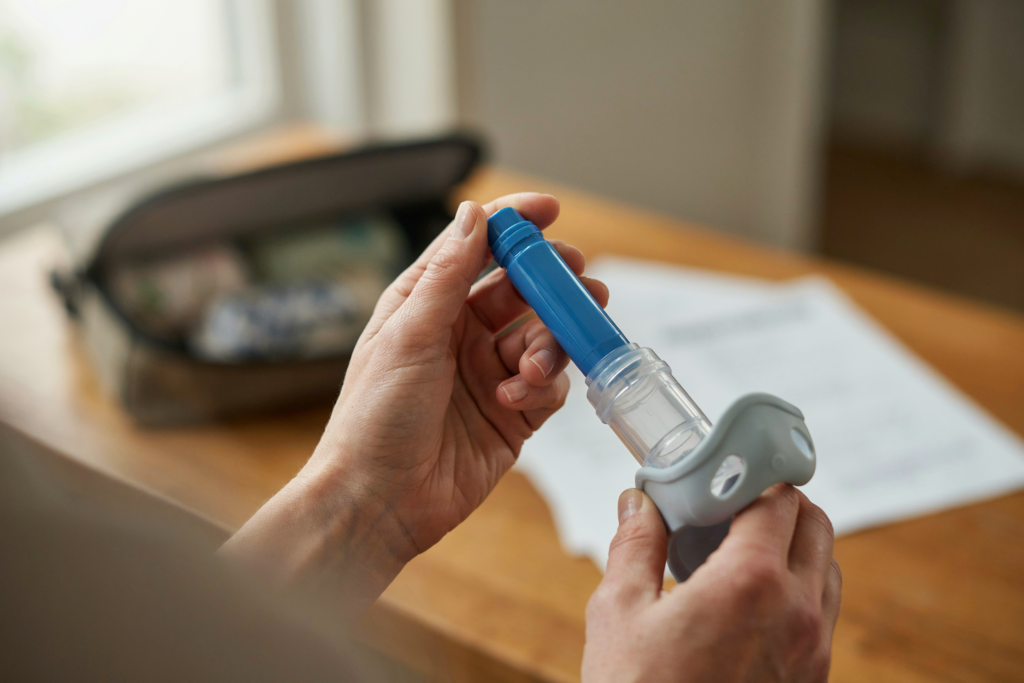
- Spacer with mask for younger children. Little ones usually can't seal their lips around a spacer properly, so the mask matters.
What to do if the plan is missing, unclear or out of date
Escalate it to your nominated supervisor. Don’t guess.
Under regulation 90, your service’s medical conditions policy has to cover a child not attending without the medication prescribed by their doctor for their condition. So a missing reliever is a conversation for your supervisor and the family, today.
The action plan tells you what to do when asthma flares. The risk minimisation plan is about making that moment less likely.
🌦️ Room leader tip: You know your room's routine better than anyone. That knowledge belongs in this plan.
The Risk Minimisation Plan: Reducing Asthma Triggers in Your Room
Who develops it
Your nominated supervisor develops the risk minimisation plan together with the family. But room leaders matter heaps in this one. You know which corner gets damp after rain, when the cleaners come through, and what outdoor play looks like on a hot afternoon. That belongs in the plan, so speak up.
Common triggers in Brisbane centres
Every child’s triggers are different, and the plan should name that child’s known ones. These are some common ones that turn up across a Brisbane childcare day:
- Exercise during outdoor play.
- Viral colds after the January intake.
- Pollen, dust and mould.
- Bushfire or hazard reduction smoke.
- Strong cleaning products.
- Humid, stormy summer afternoons.
Medication, spacers and expiry checks
The plan should spell out the practical stuff, not just “medication available”:
- Storage. Somewhere staff can grab it fast, but out of children's reach.
- Expiry checks. Who checks, and how often.
- Excursions, transport and evacuation bags. The reliever and spacer go wherever the child goes.
Recording the plan so it’s actually used
Specific beats generic every time. A template that says “avoid triggers” doesn’t tell a casual anything. A plan that says “keep Mia inside when the grass is being mowed and have her spacer on the outdoor trolley” does. Write it so someone who’s never met the child could follow it.
The Communication Plan: Making Sure Every Educator Knows
What the communication plan covers
The communication plan does two jobs. It explains how staff and volunteers get told about a child’s plans, and how the family lets the service know when something changes. Simple on paper, but it’s the one that falls over most easily.
The roster gap: casuals, students and relief staff
Here’s where plans come unstuck. Your permanent team knows the child. The casual on the afternoon shift might not.
So the communication plan should cover:
- Handover. Who tells the incoming educator about the child with asthma, and when.
- Privacy-aware plan summaries. A short summary staff can see quickly in the room, without putting the child's full medical details on display.
- Briefing new starters. Casuals, students on placement and relief staff get briefed before they're counted in ratios, not halfway through the day.
Keeping families in the loop
Families need to tell you about medication changes, flare-ups at home and hospital visits. A rough weekend can mean a wheezy Monday.
And it works both ways. When a family gives you an update, confirm it back to them, so everyone’s working from the same version of the plan.
That’s the paperwork. Here’s how to turn it into a quick check you can do yourself.
Your Day-One Checklist Before a Child With Asthma Starts
You don’t need a staff meeting to get this done. Tick it off as you go.
Day-one asthma checklist
The plan
The medication
The team
That last one gets missed more than you’d think.

Common Gaps in Childcare Asthma Management Plans
None of these come from carelessness. Centres are busy, staff change and paperwork slides.
The action plan is on file, but the other two plans are missing. The doctor’s plan goes in the folder and everyone feels like the job’s done. But an asthma management plan is three documents, not one.
The plan is out of date, or the photo no longer matches the child. An old plan with a baby photo on it won’t help a relief educator who’s never met the child.
The reliever has expired, or there’s no spacer with a mask for an under-five. Little things, until you need them.
The plan is locked in the office. If the office is locked, nobody in the room can get to it when it counts.
Casuals haven’t been briefed. The casual covering the afternoon doesn’t, and they might be the only adult outside when it happens.
The excursion bag gets packed without the medication. Everyone’s counting heads and hats and water bottles, and the puffer stays on the shelf back at the centre.
For more ways to stop these gaps before they start, have a read of our guide to asthma and anaphylaxis prevention strategies.
Every gap on that list comes back to the same thing: someone in the room who knows what to do.
🎯 Training matters: The plan tells you what to do. Training is where your hands learn how to do it.
How Approved Asthma Training Helps You Act on the Plan
What the regulations require
Under regulation 136 of the Education and Care Services National Regulations, a service needs at least one educator with approved emergency asthma management training on the premises and immediately available at all times children are being educated and cared for.
📋 Regulation 136: At least one educator with approved emergency asthma management training must be in attendance and immediately available whenever children are being cared for.
If you’re the room leader for a child with asthma, you probably want it to be you who’s trained.
Does HLTAID012 cover it?
Not on its own for the approved asthma requirement. It’s worth checking before you’re caught short. Our guide to asthma and anaphylaxis training requirements walks through what counts.
What hands-on training gives you that the plan can’t
The plan tells you what to do. Training is where your hands learn how to do it.
- Reliever and spacer technique, with masks.
- Recognizing worsening asthma.
- Child scenarios.
Ready When That Enrolment Form Lands
Think back to that Thursday. The form lands, the medical conditions section says asthma, and suddenly there’s a four-year-old with a puffer coming into your room. Now you know what you’re actually looking at, and it’s not nearly as scary as that first knot in your stomach made it feel.
An asthma management plan is three documents working together. The asthma action plan tells you what to do when a child’s asthma flares. The risk minimisation plan makes that moment less likely. And the communication plan makes sure every educator, casuals included, knows the child and knows where the plan is.
Start small. Check the child’s action plan against the day-one checklist. Then have a quick chat with your director and ask whether the risk minimisation and communication plans are done.
The last step is the one that’s about you. Make sure your approved asthma training is current. Paperwork can tell you what a child needs, but it can’t steady your hands when you’re fitting a mask and spacer on a toddler who’s struggling to breathe. That confidence comes from practice, not from reading a page.
Because at the end of the day, the plan is only as good as the person standing next to that child when it counts. Be the calm one in the room. That way, when the next enrollment form lands on a Thursday, you’ll be ready for it.
Book Your First Aid Training Now
Fast, affordable, and nationally accredited training delivered by professionals who care
Frequently Asked Questions
Q.Does a child with mild asthma still need a plan?
Yes. Any child with diagnosed asthma needs all three documents. Mild asthma can still change quickly, like during a cold or on a humid afternoon, so the plan matters just as much.
Q.Where should a child's asthma action plan be kept?
Somewhere educators can reach it fast, ideally with the child's reliever and spacer, not locked in an office. Your communication plan should say where it is and how casuals find it.
Q.What if a child has both asthma and a severe allergy?
Both plans apply. The child needs an asthma action plan and an ASCIA Action Plan for Anaphylaxis, and the other plans cover both conditions. Our guide to the asthma and anaphylaxis emergency plan explains more.
Making first aid training more affordable for
every classroom
We believe every student deserves access to life-saving first aid knowledge. That’s why we offer specially reduced pricing for schools and educational groups. Whether you’re booking for a single class, a year group, or your entire school, our flexible packages make training more accessible and cost-effective — without compromising quality.
